Identify the Seattle facility
Marine terminal and rail-ramp moves follow different release, appointment, equipment, and return procedures. Include the exact facility and steamship line or rail provider in the request.
SP Logistics moves import and export containers through Terminal 5, Terminal 18, Terminal 46, BNSF SIG, BNSF Seattle, and UP Seattle. The trucking plan connects facility release and appointment requirements with the receiver window, chassis, delivery method, and return.
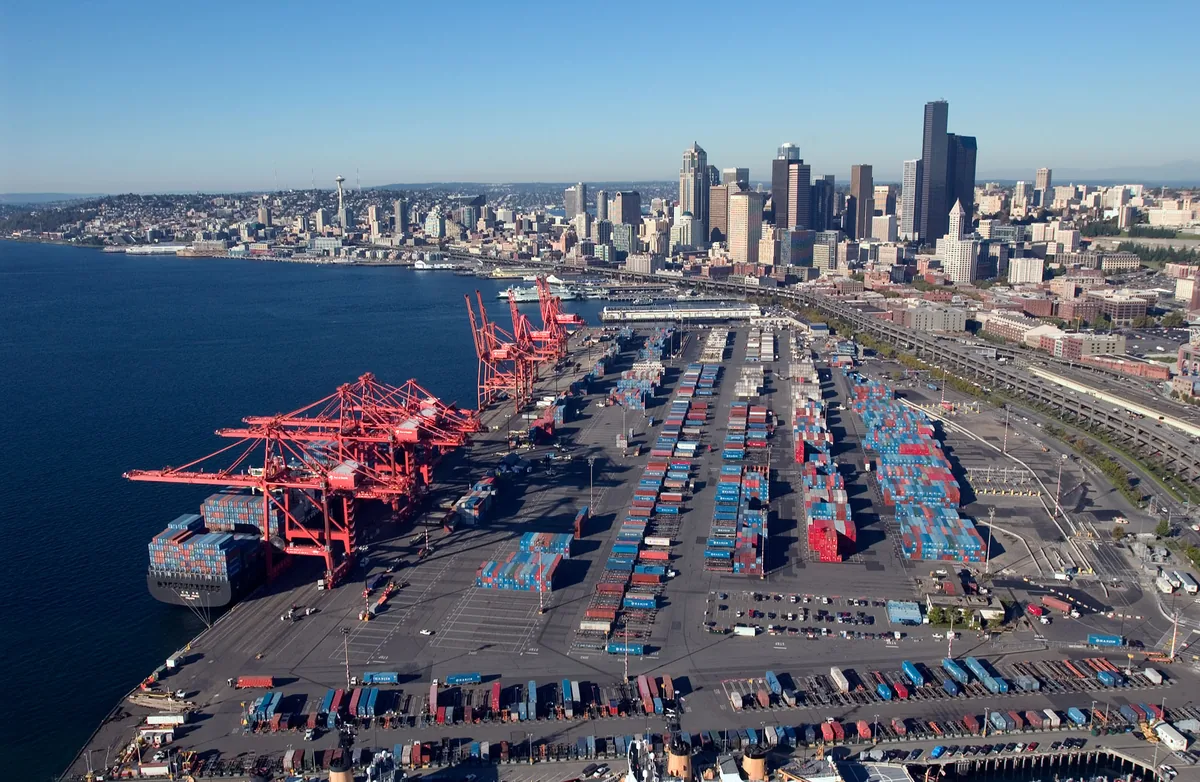
Marine terminals and rail ramps use different release, appointment, chassis, receiver, and return procedures.
Marine terminal and rail-ramp moves follow different release, appointment, equipment, and return procedures. Include the exact facility and steamship line or rail provider in the request.
Each move is scheduled from the current facility instructions and the receiver's actual ability to accept the container.
Terminal 5, Terminal 18, and Terminal 46 moves may include import pickup, export return, chassis coordination, receiver delivery, and empty return.
BNSF SIG, BNSF Seattle, and UP Seattle requests need rail release, chassis or power-only details, interchange requirements, receiver timing, and equipment return. See the dedicated BNSF and UP rail drayage service for rail-specific planning.
Appointment hours, street and dock access, live-unload or drop instructions, time on site, and the empty-ready contact shape final delivery.
Facility availability, LFD or export cutoff, pickup appointments, chassis source, traffic, receiver delays, and return acceptance can change the truck plan. Dispatch confirms the workable sequence from current information.
For empty positioning, customer loading, and loaded export returns, review the import and export drayage workflow.
A Tacoma yard pre-pull may be considered when pickup and receiver timing do not align, subject to yard capacity, cargo, chassis, and final delivery.
For a Seattle move, confirm the exact marine terminal or rail ramp and whether the container is moving as an import, export, empty, or receiver delivery. Those facility and direction details control dispatch.
SP Logistics reviews Seattle terminal or rail pickup, container and timing facts, receiver delivery, equipment, and the confirmed return path.
Send the Seattle facility, container, timing, equipment, receiver, and return details.