
Cargo and dimensions
Container type, cargo dimensions, photos, gross weight, and whether the cargo is in-gauge or out-of-gauge if known.
Open-top and flat-rack drayage planning when cargo, dimensions, route, and receiver details are clear. Send dimensions, photos, weight, route/access notes, receiver unload equipment, and in-gauge or out-of-gauge status if known.
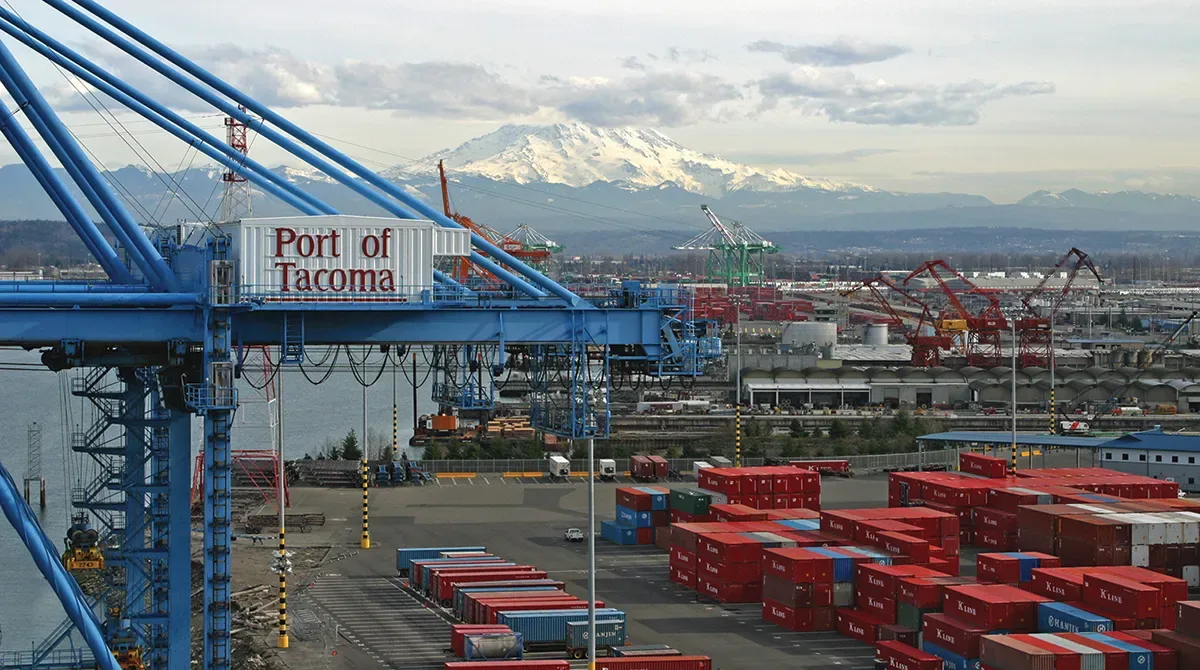
Terminal, equipment, dimensions, securement, and route requirements are confirmed for each move.
For Open-Top and Flat-Rack Container Drayage, provide the equipment, access, timing, receiver, and closeout details that apply.
Container type, cargo dimensions, photos, gross weight, and whether the cargo is in-gauge or out-of-gauge if known.
Terminal or ramp, delivery address, route/access notes, overhead or width limits, and receiver contact.
Unload equipment, appointment window, site readiness, and return instructions.
Open-top and flat-rack moves depend on cargo dimensions, route/access, receiver equipment, and timing before dispatch can commit.
Review container type, dimensions, route limits, and receiver unloading before selecting related heavy-cargo or equipment support.
Open-top and flat-rack moves depend on the exact container configuration, cargo dimensions, verified weight, in-gauge or out-of-gauge profile, securement, route, permits when applicable, and receiver handling plan.
Who owns what: Crane, rigging, loading, unloading, installation, securement work, and site equipment are not inferred. The responsible party must be identified whenever that work is explicitly required.
Send the cargo dimensions, gross weight, photos, in-gauge or out-of-gauge status, route limits, receiver access, unload equipment, and appointment timing.