Port
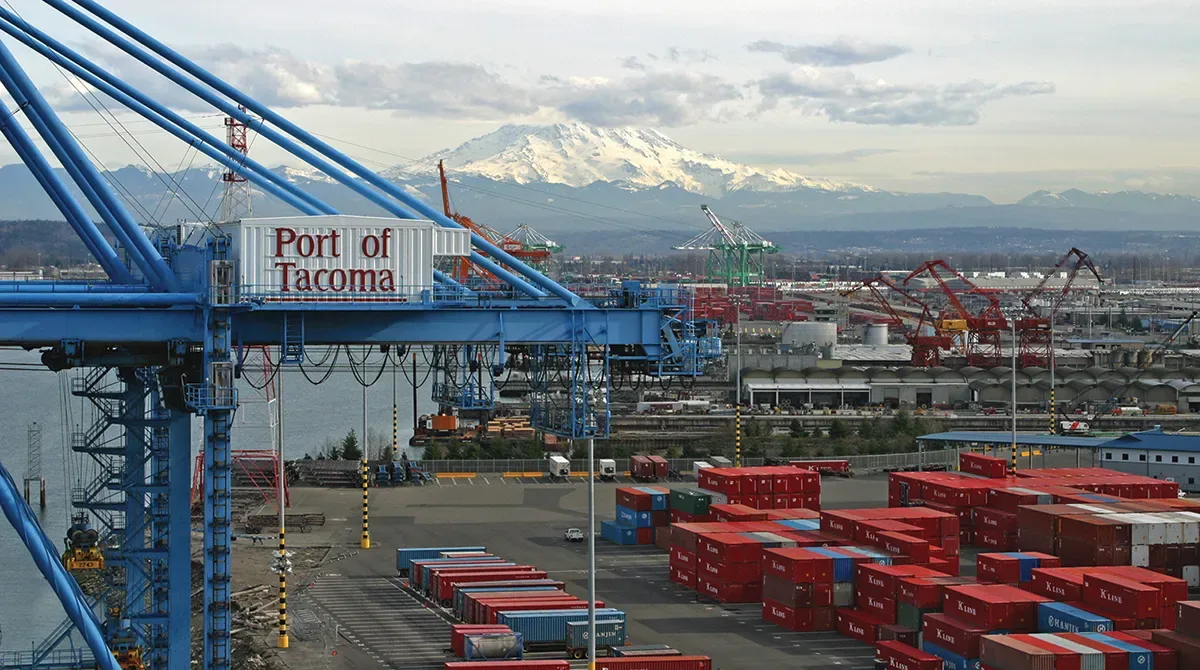
Port trucking and container drayage
Seattle and Tacoma import pickup, export return, receiver delivery, chassis coordination, pre-pulls, and empty returns.
SP Logistics handles the local trucking leg for ocean and rail containers. Tell dispatch whether the move starts at a marine terminal, rail ramp, Tacoma yard, export site, or regional receiver, then include the timing, equipment, delivery, and return information.
Each group covers a different operating need. Specialty equipment and nonstandard sites remain subject to review.
Seattle and Tacoma import pickup, export return, receiver delivery, chassis coordination, pre-pulls, and empty returns.
BNSF SIG, BNSF Seattle, UP Tacoma, and UP Seattle moves with ramp release, chassis, receiver, and return planning. 53FT Power Only Support is reviewed separately.
Loaded and empty staging, pre-pulls, and receiver timing gaps are reviewed against cargo, chassis, duration, and current yard capacity.
Import containers, empty export positioning, customer loading windows, loaded returns, cutoffs, and freight-forwarder origin drayage.
Reefer/genset, overweight imports, tri-axle, open-top, flat-rack, high-value cargo, and residential delivery are reviewed against the actual equipment and site requirements.
Waiting time, chassis moves, pre-pulls, yard time, scale stops, extra stops, reefer equipment, and other added work require the original move details and current records.
SP Logistics can bid local and long-distance Washington container lanes. Oregon and Idaho are reviewed by fit.
A useful request identifies the pickup facility, release or booking reference, container size and weight, timing, delivery location, receiver process, chassis, and closeout plan.
Dispatch confirms current availability, appointments, equipment, route fit, yard capacity when requested, and pricing before the truck is assigned.
Call (206) 802-5203 when LFD, export cutoff, a same-day appointment, an empty return, or a changed receiver window needs an immediate answer.
Port, rail, yard or storage, import or export, reefer, overweight, specialty, regional delivery, partner-coordinated handling, and quote paths solve different buyer needs. The correct path begins with the actual pickup facility and the movement the shipment needs next.
SP Logistics provides direct Seattle/Tacoma container trucking and reviews Tacoma yard, regional delivery, reefer, overweight, specialty, and qualified partner-coordinated handling requirements against the complete shipment scope.
Quick Quote starts the review. Use Detailed Request when you already have the complete shipment details.