Two different workflows
Imports move from the terminal or ramp to the receiver and then to an empty return. Exports begin with an empty release or loaded pickup and finish with a loaded return before the applicable receiving window and cutoff.
SP Logistics handles import container delivery and export drayage through Seattle/Tacoma marine terminals and local rail ramps. Dispatch coordinates release, pickup, receiver or loading-site timing, equipment, and final return.
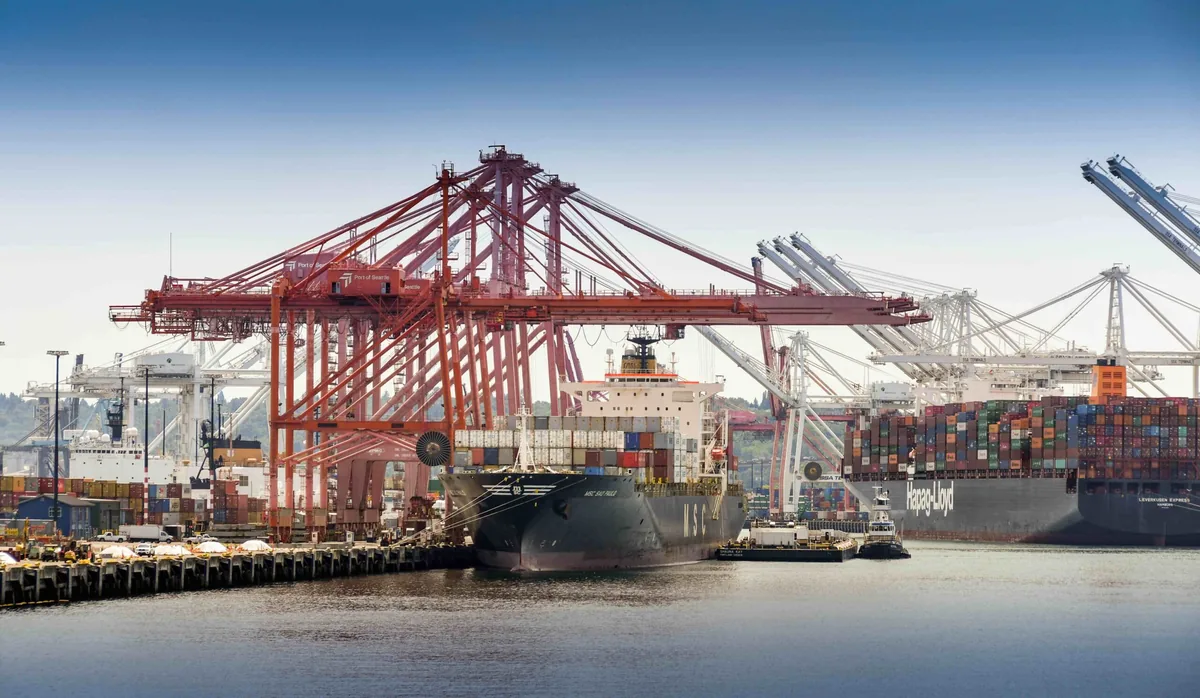
Import delivery ends with empty return; export work ends with a loaded return before the applicable receiving window and cutoff.
Imports move from the terminal or ramp to the receiver and then to an empty return. Exports begin with an empty release or loaded pickup and finish with a loaded return before the applicable receiving window and cutoff.
Send the entrance, appointment, site contact, truck access, unloading or loading responsibility, and expected time on site.
A pre-pull or staging plan may be reviewed when LFD, cutoff, receiver readiness, or customer loading creates a timing gap.
The customer controls packing, loading, cargo securement, customs, export documents, booking, and ocean arrangements unless a separate written scope says otherwise.
Forwarders and international movers can request the local origin or destination trucking leg while keeping booking, documents, packing, loading, and ocean arrangements with the responsible party.
Import drayage begins after release and moves the container toward the receiver; export drayage positions equipment for loading and returns the loaded container before cutoff. The two workflows share equipment and closeout facts but should not be blended.
SP Logistics reviews post-release import trucking and export positioning or return through Seattle/Tacoma facilities.
Include the facility, container, release or booking, timing, site, weight, chassis, and return plan.