Seattle drayage company
Use the Seattle page for city-level port, rail, receiver, and delivery-planning intent.
View Seattle pageSP Logistics provides asset-based port trucking and container drayage for freight moving through Port of Seattle terminals, Port of Tacoma terminals, and local rail ramps. We help brokers, forwarders, importers, and exporters plan pickups, deliveries, pre-pulls, chassis review, and quote-ready next steps without turning the broad service page into a Seattle harbor, Tacoma harbor, or rail-specific owner page.
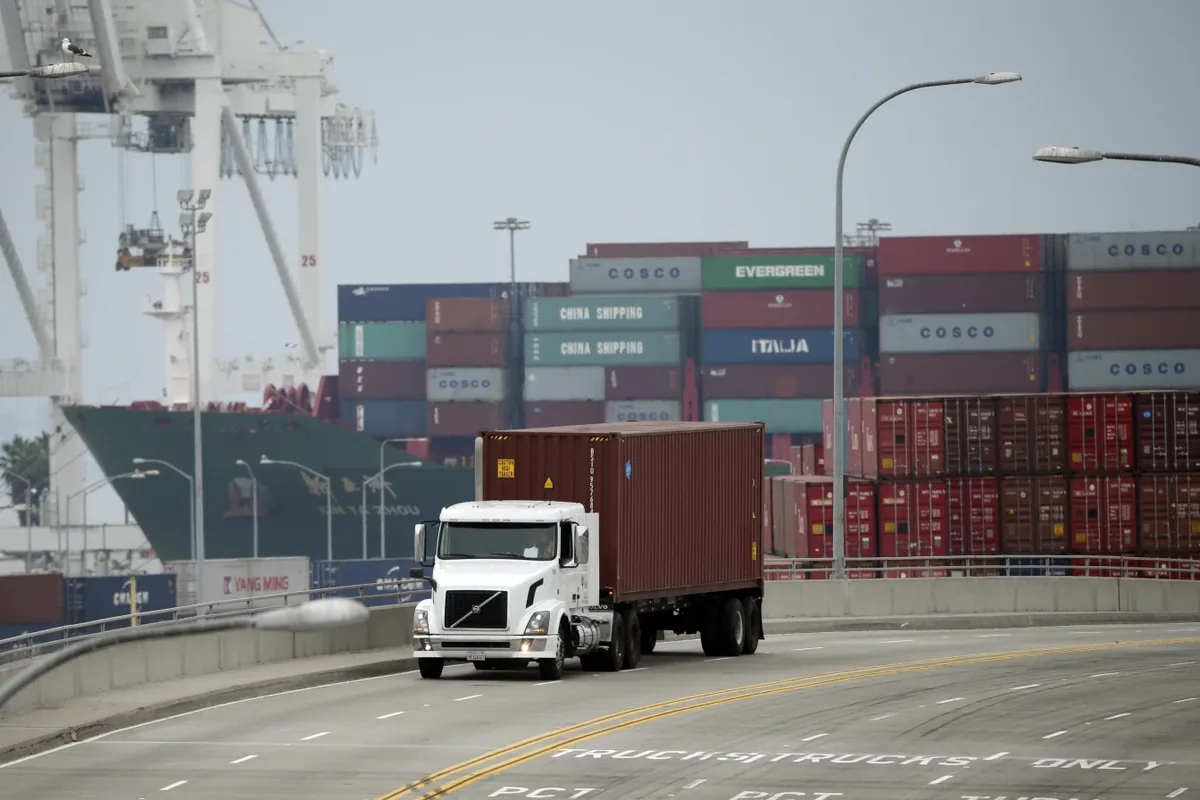
Port trucking, also called drayage, is the movement of ocean containers between ports, rail ramps, yards, storage locations, and receivers. SP Logistics provides asset-based port trucking for Seattle and Tacoma container freight, including pickup planning, delivery coordination, pre-pull support, chassis review, and quote-ready dispatch planning.
The port trucking page stays broad across Seattle and Tacoma. When the move is really Seattle-city, Port of Seattle harbor, Tacoma-local, Tacoma-harbor, rail-first, or still in buyer-guide mode, these pages carry that intent more directly.
Use the Seattle page for city-level port, rail, receiver, and delivery-planning intent.
View Seattle pageUse the compliance page when the port move depends on carrier identity, service boundaries, documentation, or equipment review before quoting.
View capability pageUse the Port of Seattle page when T5, T18, appointment flow, empty returns, or harbor timing drive the plan.
View Port of Seattle pageUse the Tacoma page when the shipment is really about Tacoma-local container pickup, delivery, or yard-supported final closeout.
View Tacoma pageUse the Port of Tacoma page when Husky, WUT, PCT, Matson, empty returns, or harbor-terminal workflow details drive the plan.
View Port of Tacoma pageUse the rail page when the shipment is really about BNSF SIG, UP Tacoma, intermodal delivery, or 53-foot lane fit.
View rail pageUse the resources hub when you need Seattle harbor, Tacoma harbor, rail, LFD, or quote-planning guidance before dispatch review.
View resourcesGo to the quote page when the shipment details are ready for lane, equipment, timing, and dispatch review.
Request quoteEach container move is planned around practical dispatch details before pricing and truck planning. SP Logistics handles Seattle and Tacoma terminal moves based on terminal requirements, appointment availability, chassis needs, receiver timing, and lane fit.
Import containers are planned around terminal availability, LFD, container status, chassis needs, pickup timing, receiver hours, and empty return requirements.
Export moves are planned around empty pickup, loading timing, cutoff, appointment requirements, and loaded return timing.
Rail moves are planned around ramp availability, container status, receiver appointment windows and final delivery timing.
When pickup and delivery timing do not line up, yard storage and pre-pull options can help reduce scheduling pressure.
Related support pages also cover drop/hook and live unload delivery, high-value container coordination, private and pool chassis review, and tri-axle planning when those details become the real issue.
Complete shipment details help SP Logistics quote more accurately and identify timing, chassis, yard or receiver issues earlier.
After a quote request is sent, dispatch confirms terminal or ramp details, lane timing, equipment needs, yard options, and receiver requirements before final quote next steps.
Terminal or ramp, container status, LFD/cutoff, appointment rules, chassis needs, and pickup timing are confirmed.
Receiver hours, live unload or drop requirements, appointment timing, delivery ZIP, and access instructions are confirmed.
Empty return, chassis return, yard storage needs, and proof-of-delivery communication are confirmed when applicable.
SP Logistics helps customers plan around common timing and equipment issues, while staying clear about items outside a carrier’s control.
Terminal appointments, rail availability, receiver windows and port congestion can affect pickup and delivery timing.
Chassis pool constraints, container size, gross weight and special equipment requirements can change the dispatch plan.
LFDs, cutoffs, live unload time, receiver delays and empty return timing can create cost exposure if the plan is not clear.
These links send facility-specific, timing-specific, and lane-specific searches to the cleanest support page without weakening the main Seattle/Tacoma port-trucking page. For broader footprint questions, use the Service Areas page.
Port of Seattle drayage
Terminal 5 drayage
Terminal 18 drayage
Terminal drayage guide
Port of Tacoma drayage
Husky Terminal drayage
WUT terminal drayage
PCT terminal drayage
Matson Tacoma drayage
Accessorial hub
Container pre-pull accessorial
Demurrage container drayage
Drayage detention
Demurrage, detention, and pre-pulls
Dry run drayage
Chassis split drayage
Chassis rental
Scale ticket container drayage
Stop fee container drayage
Yard storage accessorial
Lane guide hub
Seattle to Portland
Seattle to Spokane
Seattle to Pasco
Seattle to Bellingham
Seattle to Lynden
Tacoma to Portland
Tacoma to Spokane
Tacoma to Pasco
Tacoma to Bellingham
Tacoma to Lynden
Tacoma to Lacey
Tacoma to Olympia
Tacoma to Puyallup
Tacoma to Spanaway
These answers help customers prepare cleaner shipment details before requesting a quote.
Port trucking, also called drayage, is the movement of ocean containers between ports, rail ramps, yards, storage locations, and receivers. SP Logistics provides asset-based port trucking for Seattle and Tacoma container freight, including pickup planning, delivery coordination, pre-pull support, chassis review, and quote-ready dispatch planning.
In most container freight conversations, port trucking and drayage refer to the short-haul movement of containers between terminals, rail ramps, yards, storage locations, and receivers. The exact move depends on the container, terminal, appointment, chassis, lane and receiver requirements.
Useful details include terminal or rail ramp, container or booking number, container size and type, gross weight, LFD or cutoff, pickup timing, delivery address, receiver hours, live unload or drop requirements, chassis needs, yard needs and special equipment requirements.
Yes. SP Logistics supports Port of Seattle container moves based on terminal requirements, appointment availability, container details, chassis needs, delivery location, and receiver timing.
Yes. SP Logistics supports Port of Tacoma container moves based on terminal requirements, appointment availability, chassis needs, delivery details, and empty return planning.
Yes. Yard storage, staging, and pre-pull support can be arranged when pickup and delivery timing do not align or when receiver appointment windows require flexibility.
SP Logistics matches chassis needs to container size, weight, equipment availability, terminal or ramp requirements, route, and delivery requirements before dispatch.
LFD means last free day. It is the deadline before certain terminal-related charges may begin. SP Logistics checks LFD timing during quote and dispatch planning, but terminal availability and appointment constraints can still affect the move.
A live unload keeps the driver and equipment at the receiver while the container is unloaded. A drop/hook move usually drops the container or trailer for later handling, then the driver returns or hooks to other equipment based on the receiver process.
SP Logistics can handle legal-weight and overweight containers, reefer/genset moves, and in-gauge open-top or flat-rack containers when equipment, route, appointment, and customer requirements are confirmed.
No. Port trucking rates depend on terminal or ramp, lane, container size and weight, chassis needs, appointment timing, live unload or drop requirements, yard storage, and accessorials. Complete shipment details help SP Logistics quote the move more accurately.
Send terminal or ramp, container or booking number, size, weight, LFD/cutoff, delivery address, receiver hours, chassis needs and any yard or pre-pull requirements.
Only have the basics? Send container size, from/to, timing, and best contact information to start a quick quote request. Full details can be added later.