Container weight
Send container size, gross weight, cargo weight if known, import or export status, and the source of the weight information.
A tri-axle request begins with the actual container weight and lane. Dispatch checks whether the equipment is available, legal for the planned route, suitable for the receiver, and needed for the import move; export moves should stay legal weight.
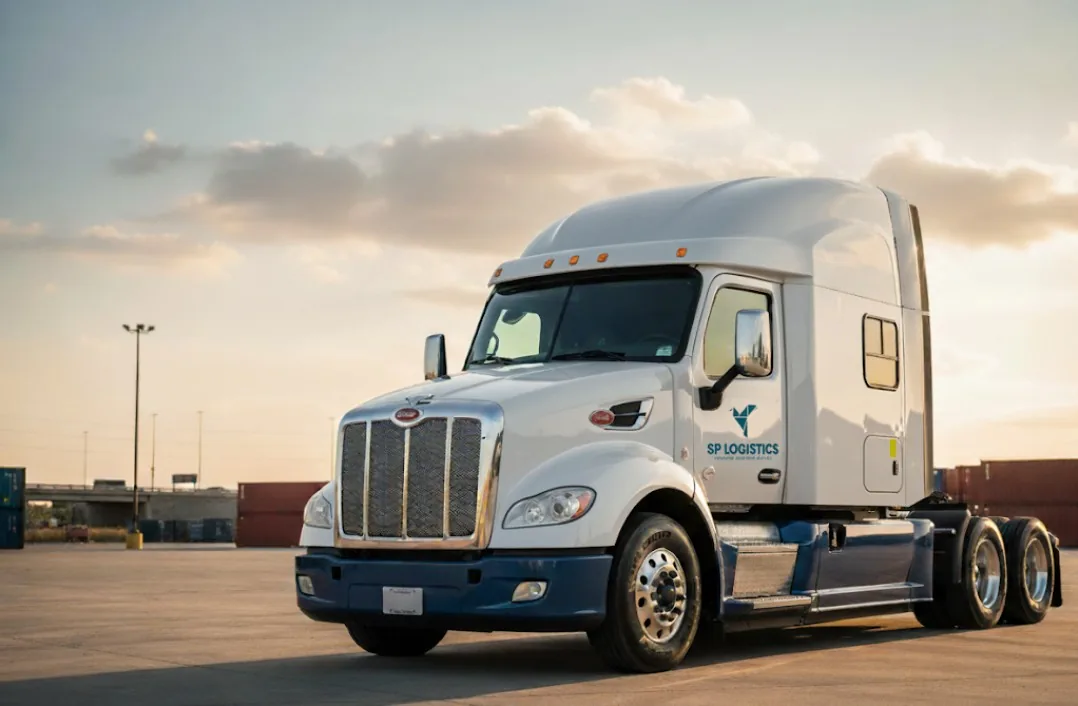
Weight, axle, permit, equipment, and route requirements are reviewed before acceptance.
For Tri-Axle Container Drayage, provide the equipment, access, timing, receiver, and closeout details that apply.
Send container size, gross weight, cargo weight if known, import or export status, and the source of the weight information.
Identify the terminal or rail ramp, delivery address, route concerns, scale requirement, receiver entrance, and unload method.
Provide pickup timing, receiver appointment, expected time on site, chassis return, and any empty-container closeout instructions.
SP Logistics confirms the planned route, legal weight, chassis fit, equipment availability, receiver access, and timing before accepting a tri-axle move.
Overweight import and tri-axle moves are reviewed by fit. Export moves should stay legal weight.
| Container | Standard dry | Standard reefer | Tri-axle dry | Tri-axle reefer |
|---|---|---|---|---|
| 20-foot | 38,000 lb | 34,500 lb | 42,000 lb | Not listed |
| 40-foot | 44,000 lb | 41,500 lb | 48,000 lb | 44,000 lb |
| 45-foot | 44,000 lb | 41,500 lb | 44,000 lb | 44,000 lb |
These figures are SP Logistics planning guidance, not a legal-weight determination or guaranteed acceptance. Final fit depends on axle distribution, chassis, route, receiver access, equipment, scale information, and current capacity.
Review the heavy-container route, receiver access, and chassis requirement before adding scale or overweight support.
A tri-axle chassis helps distribute weight across additional axles, but it does not by itself establish legal weight, route, permit, or receiver feasibility.
Who owns what: Equipment selection remains subject to provider availability, axle limits, route restrictions, permits when applicable, and the current pickup and return instructions.
Send the container size, gross weight, terminal or ramp, delivery ZIP, receiver access, and route details so dispatch can confirm whether tri-axle equipment is appropriate and available.