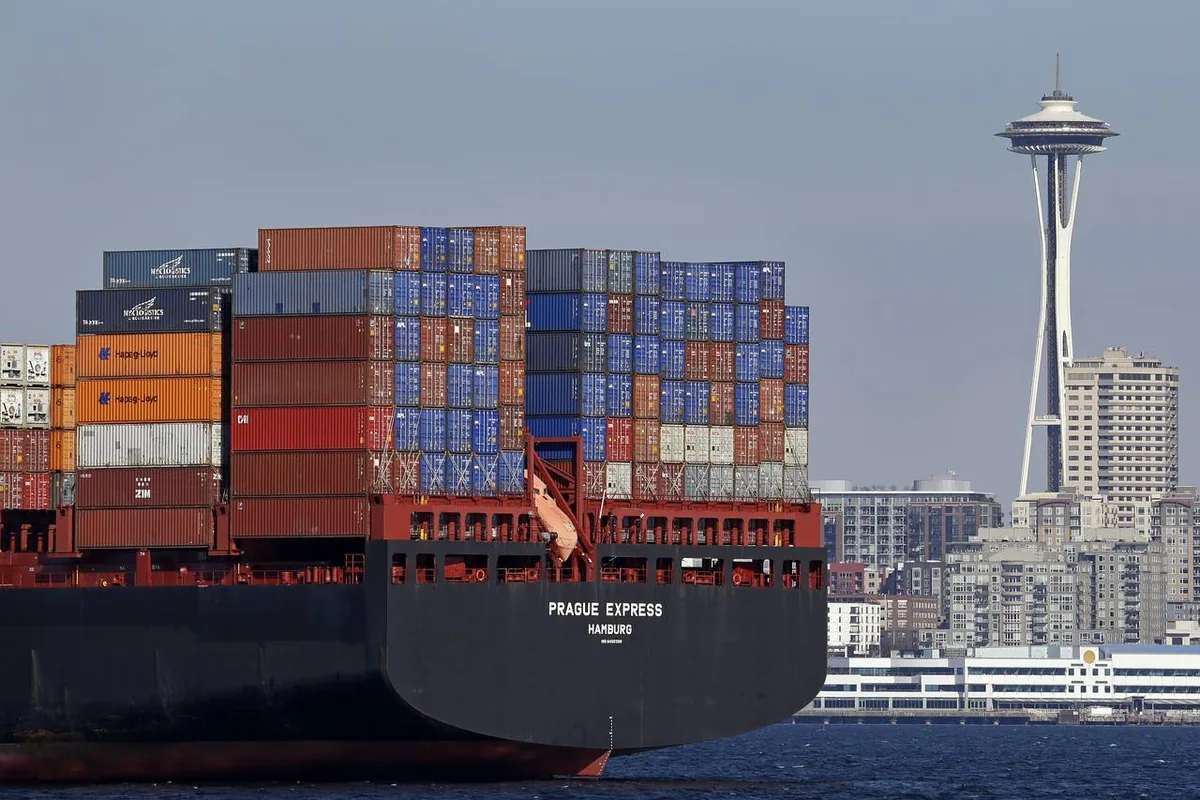
Seattle and Tacoma ports
Port freight through T5, T18, Husky, WUT, PCT, Matson, and related terminal workflows is reviewed by appointment timing, availability, and receiver fit.
Use this page to review where SP Logistics supports container moves, how Seattle/Tacoma port and rail coverage is separated, and when Tacoma yard coordination or confirmed-scope palletized support may become part of the plan.

Final coverage depends on lane distance, pickup and delivery timing, receiver requirements, equipment fit, chassis planning, and current capacity.
Port freight through T5, T18, Husky, WUT, PCT, Matson, and related terminal workflows is reviewed by appointment timing, availability, and receiver fit.
Rail container moves can be reviewed for pickup, final delivery, Tacoma yard staging, and confirmed-scope palletized support when freight type, labor, and timing fit.
Local and regional Washington deliveries are reviewed around hours-of-service, receiver access, weight, chassis, and empty-return planning.
Longer regional moves can fit when the lane, shipment timing, equipment, and receiver process match the operation. Montana remains rare and exception-only.
This page answers where SP Logistics operates and how lane-fit review works. Use the city pages for local-intent searches, the core service pages for broad service evaluation, and the lane or terminal pages when the move is tied to a specific facility or corridor.
This page is strongest when the public geography matches the actual operating model: Seattle/Tacoma core freight, Tacoma yard truth, rail and port separation, and regional work reviewed by timing, fit, and capacity instead of blanket promises.
Port of Seattle, Port of Tacoma, BNSF SIG, and UP Tacoma remain the core coverage anchors because that is where the business is publicly positioned and operationally focused.
When staging or pre-pull timing matters, Tacoma yard support is the primary public yard option. That keeps the storage story aligned with the actual yard footprint instead of drifting back toward older Kent positioning.
Washington, Oregon, and Idaho are real extension markets, but they are still reviewed by lane fit, distance, receiver requirements, equipment, and dispatch timing before the move is accepted.
Confirmed-scope palletized support is separate from general warehousing, and Montana remains rare and exception-only. Public coverage is meant to clarify fit, not to suggest every inland request is automatically in scope.
These pages separate city intent, regional lane review, company trust, and service evaluation so buyers can confirm coverage first, then move into the exact city-pair lane page when needed.
Use the Seattle page for Seattle-specific port, rail, and receiver-planning context.
View Seattle pageUse the Tacoma page for Tacoma terminal, UP Tacoma, yard, and final-delivery context.
View Tacoma pageUse the regional page for inland lane-fit expectations beyond the port metro.
View regional pageLane guide hub
Seattle to Portland
Seattle to Spokane
Seattle to Pasco
Seattle to Bellingham
Seattle to Lynden
Tacoma to Portland
Tacoma to Spokane
Tacoma to Pasco
Tacoma to Puyallup
Tacoma to Lacey
Tacoma to Olympia
Tacoma to Spanaway
Tacoma to Bellingham
Tacoma to Lynden
Seattle to Portland lane guide
Seattle to Spokane lane guide
Tacoma to Portland lane guide
Tacoma to Spokane lane guide
Use the main port page when the question is broader than one city or facility.
View port truckingUse the rail page for BNSF SIG, UP Tacoma, and intermodal support questions.
View rail drayageUse the facility guide when the shipment is tied to a specific terminal or rail ramp workflow.
View terminal guideUse the About page for carrier identity, operating boundaries, and dispatch-first planning context.
View company pageUse the capability page when the buying question is about fit, documentation, equipment, or service boundaries.
View capability pageSend origin, destination, terminal or ramp, container details, timing, weight, chassis needs, and receiver requirements for a lane-fit review.