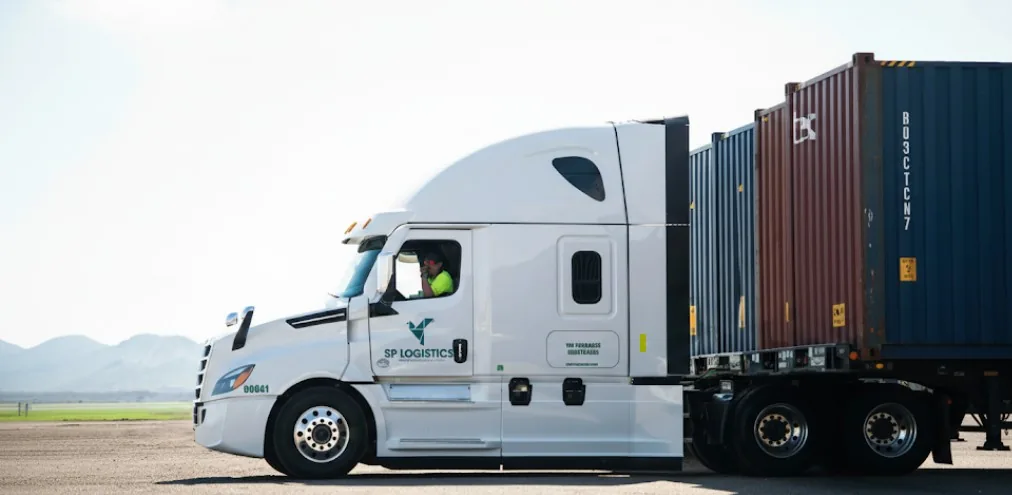
Sealed equipment containers
Imaging systems, rehabilitation equipment, examination equipment, and other non-hazardous medical machinery may be reviewed when the cargo and delivery requirements are clear.
SP Logistics reviews port and rail drayage for sealed containers carrying non-hazardous medical equipment, hospital and dental equipment, imaging systems, rehabilitation equipment, and medical supplies.
Each move is reviewed based on commodity, terminal or rail ramp, lane, equipment, receiver appointment, site access, delivery method, insurance requirements, and current capacity.
SP Logistics can review sealed-container drayage for legal, non-hazardous medical equipment and supplies arriving through Seattle or Tacoma marine terminals or local rail ramps. The trucking scope begins with the released container and ends with the agreed delivery, drop, staging, or return plan. The customer should identify the commodity in plain English so dispatch can determine whether the shipment fits available equipment, the lane, and receiver requirements.
Medical cargo is not accepted from a general category name alone. Dispatch needs to know whether the container holds equipment, furniture, packaged supplies, or a mixed shipment, along with container size, gross weight, appointment timing, delivery access, and any customer insurance requirements.
Imaging systems, rehabilitation equipment, examination equipment, and other non-hazardous medical machinery may be reviewed when the cargo and delivery requirements are clear.
Non-hazardous medical supplies may be reviewed when the customer confirms the commodity, weight, packaging responsibility, receiver, and regulatory status.
Send the exact Seattle/Tacoma terminal or local rail ramp, release status, LFD or available date, container number, and chassis requirements.
Hospital beds, dental chairs, imaging equipment, rehabilitation systems, treatment-room equipment, and related institutional equipment can create different receiver and access needs even when they arrive in a standard sealed container. A hospital campus, distributor, equipment dealer, or project receiver may require a fixed delivery window, a specific entrance, a receiving contact, or advance check-in instructions.
SP Logistics provides the local trucking leg. The customer and receiver remain responsible for unloading equipment, inside movement, placement, assembly, testing, and installation. If the site cannot unload from a container on chassis or cannot accept the planned delivery mode, dispatch needs that information before the move is accepted.

Packaged dressings, gauze, mobility supplies, dental supplies, hospital furnishings, and similar non-hazardous goods may fit the service when they move as sealed container freight. The importer or booking party must confirm that the cargo is legal, non-hazardous, accurately described, and suitable for ordinary port or rail drayage.
Do not use the quote form for pharmaceuticals, biologics, vaccines, controlled substances, radioactive material, diagnostic reagents, or hazardous goods. Those categories are outside this public service unless the owner separately approves a different scope.
Send the delivery address, receiving hours, appointment reference, site contact, access route, gate or dock instructions, expected unload time, and empty-return plan. If the receiver is a medical campus, dealer, laboratory, or project site, identify the exact receiving point rather than only the organization name.
Dispatch also reviews street and yard access, turn space, overhead limits, parking restrictions, and whether the receiver has equipment and staff ready for the selected delivery mode. Appointment approval and site access remain subject to the receiver's rules.
A live unload may fit when the receiver has an appointment, unloading equipment, staff, and a realistic unload window. A drop may fit when the receiver can accept the container and chassis, has space, and has a confirmed later pickup plan. A pre-pull or Tacoma yard staging request may be reviewed when terminal timing and receiver readiness do not line up.
These options are not automatic. Dispatch confirms chassis use, yard capacity, loaded status, timing, receiver access, expected duration, and empty-return instructions before accepting the plan. Compare the choices on the Container Delivery Options service before sending the quote.
SP Logistics provides the local trucking and drayage leg. Hospital courier work, inside delivery, equipment handling, loading, unloading, assembly, installation, medical-device certification, HIPAA certification, pharmaceutical service, validated cold-chain service, and specialized chain-of-custody service are not included in standard scope.
Choose only the service details that apply to the shipment.
Review the broader sensitive-cargo service and operating boundaries.
Review High-Value & Sensitive CargoFor Seattle/Tacoma marine-terminal container pickup and delivery.
Review Port TruckingFor BNSF or UP intermodal pickup and receiver delivery.
Review Rail DrayageCompare live unload, drop, and receiver-timing choices.
Review Container Delivery OptionsReview authority and carrier verification information.
Review Carrier VerificationSP Logistics can review legal, non-hazardous equipment and packaged supplies in sealed containers, including hospital, dental, imaging, rehabilitation, and related institutional equipment when the move fits the lane, equipment, receiver, and current schedule.
No. SP Logistics provides the local container trucking and drayage leg. The customer and receiver are responsible for unloading, inside movement, assembly, testing, and installation.
Either option may be reviewed. Dispatch needs the receiver appointment, unload capability, site space, expected unload time, chassis plan, and later pickup or empty-return instructions.
Yes, when terminal timing, loaded status, yard capacity, customer instructions, final delivery timing, chassis use, and cargo fit support the plan.
It is optional. A four-digit family can help identify the commodity, but the importer or customs professional remains responsible for final classification.
Dispatch confirms availability and pricing only after reviewing the full shipment, timing, equipment, receiver, lane, insurance, and return requirements.
Send the commodity, terminal or ramp, container, weight, receiver appointment, delivery method, insurance requirements, and return plan for dispatch review.