SOC shippers
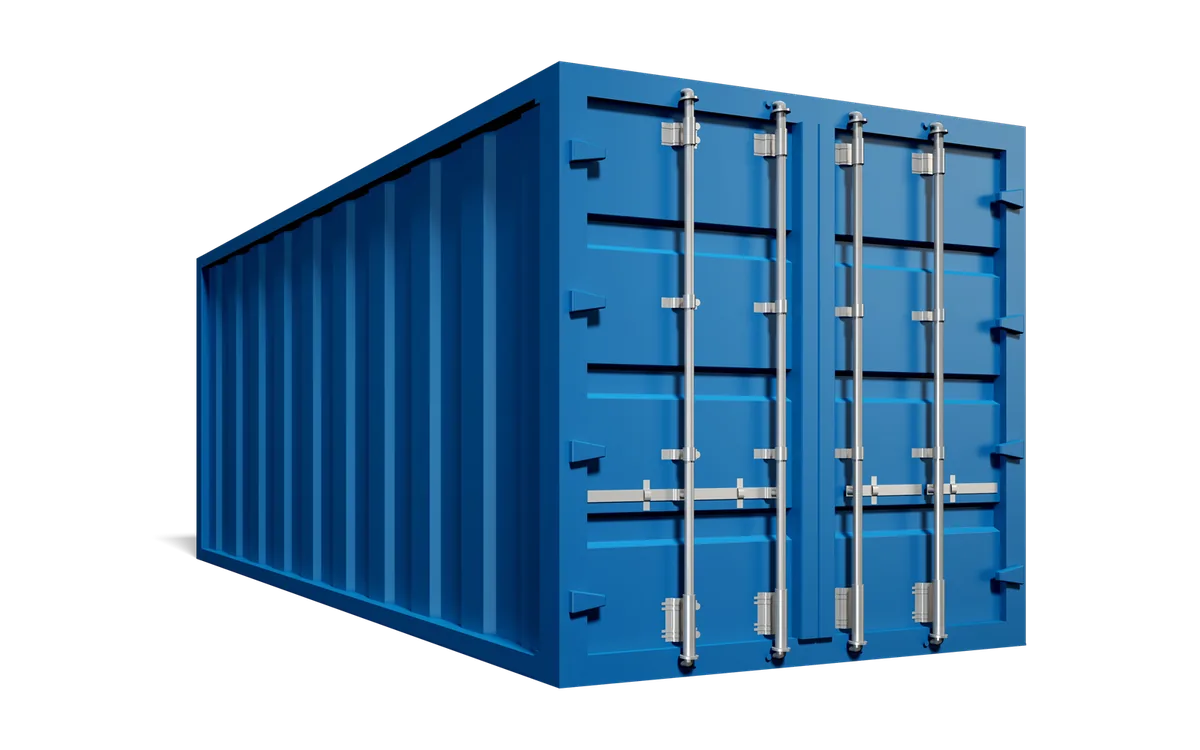
Shippers with their own container or container under customer control that still need the local drayage leg handled by a direct carrier.
SP Logistics can support SOC and customer-owned container trucking when equipment, chassis fit, route, access, and documentation are reviewed. Container condition, ownership or lease status, chassis compatibility, size and type, weight, and pickup or dropoff rules must be clear before dispatch confirms fit. Customer, forwarder, shipper, or booking party handles booking, documents, and release or return instructions.

This page is designed for customers moving shipper-owned or customer-owned containers between ports, yards, rail ramps, warehouses, facilities, and project sites when equipment fit and release rules are already known or ready to review.
Shippers with their own container or container under customer control that still need the local drayage leg handled by a direct carrier.
Teams coordinating release, return, and routing details for customer-owned container moves.
Sites that need a container delivered, repositioned, staged, or returned under clear access and equipment rules.
SOC moves that still touch port, rail, yard, or facility requirements before final delivery or return.
Dispatch reviews the physical container, chassis fit, route, site access, and local timing before confirming whether the SOC move fits the lane.
Container size, type, condition, and chassis compatibility must be reviewed before dispatch can confirm the plan.
Port, rail, yard, warehouse, facility, and project-site rules may all affect whether the move is workable.
Ownership or lease status, release instructions, and return rules must be clear before pickup or dropoff is confirmed.
Final fit depends on legal weight, chassis fit, lane timing, and available carrier capacity.
Some SOC moves are forwarder-led, some are container-loading questions, and some need warehouse or yard timing support reviewed separately.
Use the hub to compare the broader container-support pages around export, forwarder, and SOC scenarios.
View hubUse the forwarder page when a booking party or origin coordinator is still controlling the local carrier leg.
View forwarder pageUse the loading page when the main issue is empty set, site loading, and loaded return rather than the SOC equipment itself.
View loading pageUse the drop page when the container needs to be left at the site for a loading window before pickup.
View drop pageUse the storage page when Tacoma yard timing or confirmed-scope palletized support may need to be reviewed around the move.
View storage pageGo to the quote page when the SOC details, route, site rules, and release instructions are ready for dispatch review.
Request quoteThese questions keep SOC and customer-owned container moves aligned with real carrier fit and site rules.
No. Customer, shipper, forwarder, leasing party, or booking party controls the SOC container, ownership or lease status, and release instructions.
Yes. SOC moves may involve port, rail, yard, warehouse, facility, or project-site rules that must be reviewed before dispatch can confirm fit.
Customer, forwarder, shipper, or booking party handles booking, documents, and release or return instructions.
Send the SOC details, site rules, route, and release instructions so dispatch can review whether the local move fits.