Port and rail
Seattle Tacoma Port Trucking Guide
How importers, exporters and brokers should prepare container trucking details.
Read guidePractical articles for brokers, forwarders, importers, exporters, warehouse/DC teams, and shippers moving containers through Seattle and Tacoma, with dedicated Seattle pages for Port of Seattle terminals and BNSF SIG rail planning, plus Tacoma pages for harbor terminals, UP Tacoma rail, Tacoma yard storage, and quote-ready planning.
How importers, exporters and brokers should prepare container trucking details.
Read guideThe details that make a quote cleaner and faster.
Read guideHow storage and pre-pulls can reduce timing risk.
Read guideSeattle/Tacoma terminal and BNSF/UP rail planning context.
Read guideImport delivery, export empty pickup and loaded return planning.
Read guideEvery way a container can be pulled, stored, delivered or ingated.
Read guideThese links help customers and booking parties move from educational content into the right local trucking page when the ocean side is already arranged and the Seattle/Tacoma drayage leg still needs help.
Use the hub to compare international-moving support, export loading help, urgent pre-pulls, cutoff returns, vehicle export, auction export, shipper-owned container moves, and site-access review.
View export-support hubUse this page when the booking, packing, documents, and ocean side are already arranged and only the local container trucking leg still needs help.
View international supportUse this B2B page when licensed movers, relocation teams, freight forwarders, or NVOCCs need the Seattle/Tacoma local drayage leg.
View partner pageUse this page when an empty must be positioned, customer loading is planned, and the loaded export must come back to port on time.
View loading supportUse this page when an import is close to LFD, the receiver is not ready, or Tacoma yard staging may need to bridge the timing gap.
View pre-pull supportUse this B2B page when a forwarder or booking party needs the local carrier leg for export loading, loaded return, import delivery, or Tacoma yard support.
View forwarder pageUse this page when cars, motorcycles, or export equipment are moving inside a container and the shipping side is already arranged.
View vehicle pageUse this page when auction-purchased cargo needs local container movement between the loading site and export return path.
View auction pageUse this page when customer-owned containers need local movement between port, rail, yard, warehouse, facility, or project-site rules.
View SOC pageUse this page when a house or other non-standard site needs street, turning, or equipment-fit review before container delivery or loading.
View site-access reviewThese links help visitors move from educational content into the right company, city-intent, or lane-fit page before requesting a quote.
Use the About page for carrier fit, operating approach, and asset-based company context.
View About pageUse the compliance page for asset-based carrier context, operating standards, and quote-readiness trust questions.
View compliance pageUse the coverage page for Seattle/Tacoma reach, Tacoma yard truth, and WA/OR/ID lane review.
View service areasUse the Seattle page for city-specific port, rail, and receiver-planning context.
View Seattle pageUse the Tacoma page for Tacoma terminal, UP Tacoma, yard, and final-delivery context.
View Tacoma pageThe resources hub stays educational. These links move Seattle-first questions into the right service page when the shipment is ready for commercial review.
Use the Seattle page for city-level port, rail, receiver, and delivery-planning intent.
View Seattle pageUse the Port of Seattle page when T5, T18, appointment flow, or Seattle harbor timing drives the plan.
View Port of Seattle pageUse the BNSF SIG page when Seattle International Gateway timing and intermodal pickup workflow are the real planning issue.
View BNSF SIG pageUse the broad rail page when the question belongs under BNSF SIG, UP Tacoma, or general intermodal support planning.
View rail pageUse the facility guide when the move is really about matching the shipment to the correct Seattle or Tacoma facility.
View facility guideGo to the quote page when the shipment is ready for dispatch review with lane, timing, equipment, and Seattle workflow details.
Request quoteThe resources hub stays educational. These links move Tacoma-first questions into the right service page when the shipment is ready for commercial review.
Use the Tacoma page for Tacoma-local port, rail, yard, and final-delivery planning intent.
View Tacoma pageUse the Port of Tacoma page when terminal workflow, steamship line, harbor pickup, or empty return details drive the plan.
View Port of Tacoma pageUse the UP Tacoma page when the question is really about rail release timing, ramp pickup, or intermodal delivery.
View UP Tacoma pageUse the Tacoma storage page when loaded or empty staging, pre-pulls, or Tacoma yard timing are the bigger issue.
View Tacoma storage pageUse the storage page when Tacoma yard capacity or confirmed-scope palletized support needs to be reviewed before delivery.
View storage pageGo to the quote page when the shipment is ready for dispatch review with lane, timing, equipment, and Tacoma workflow details.
Request quoteSend your shipment details and dispatch will help you choose the right plan for drayage, yard storage by capacity, reefer support, and special equipment support by confirmed scope.
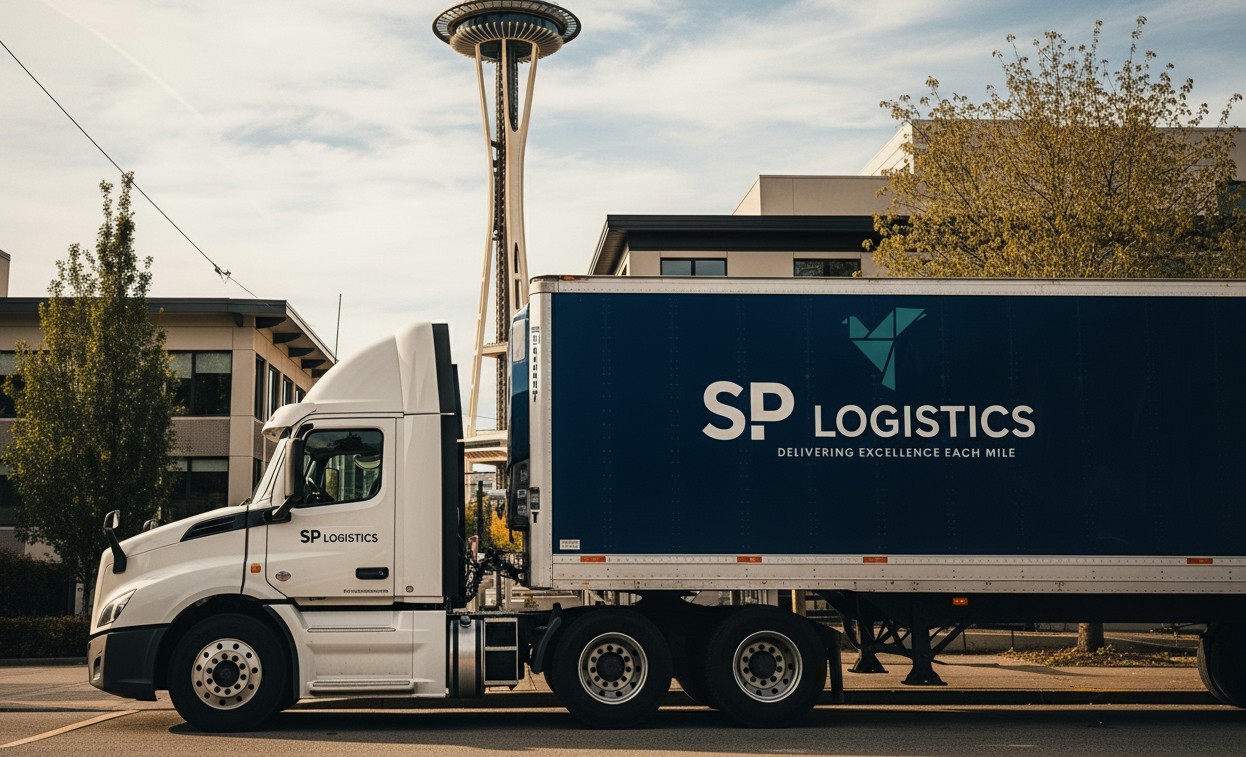
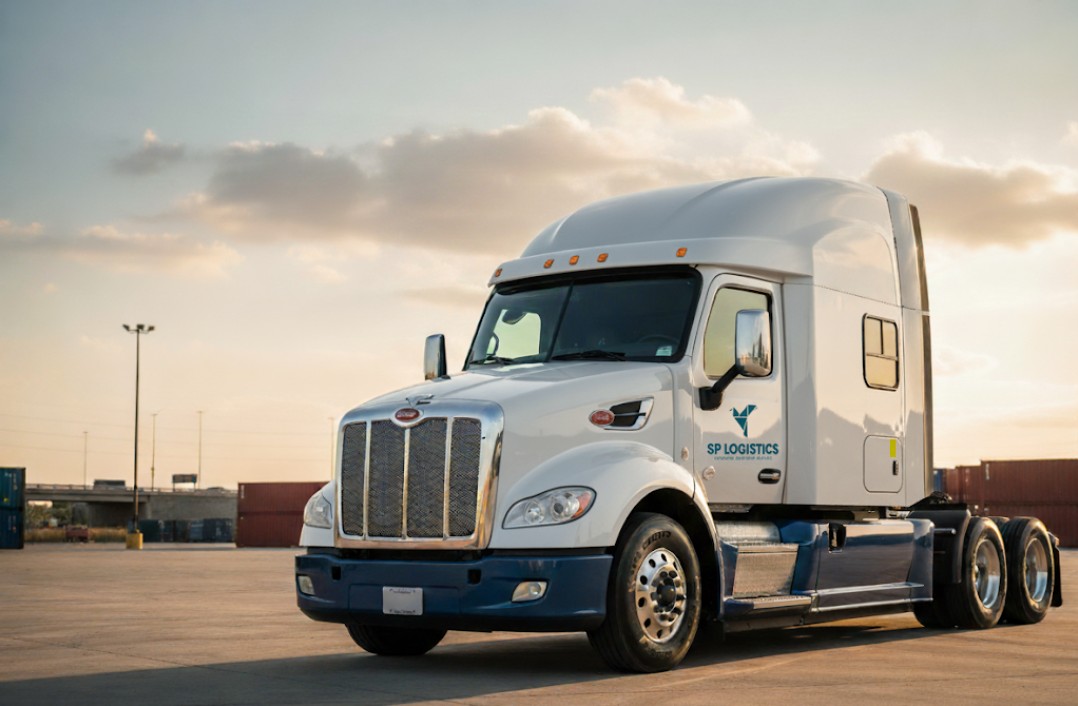
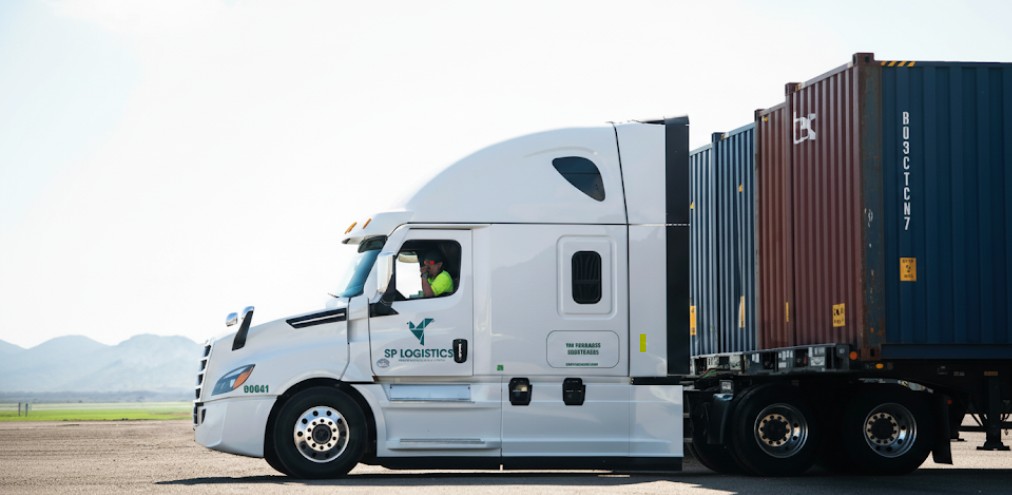
These brand photos are grouped by the same move types customers review: fleet and trucking, port operations, and rail/container yards.
Primary fleet shot for service overviews.
Dedicated SP tractor visual for trucking pages.
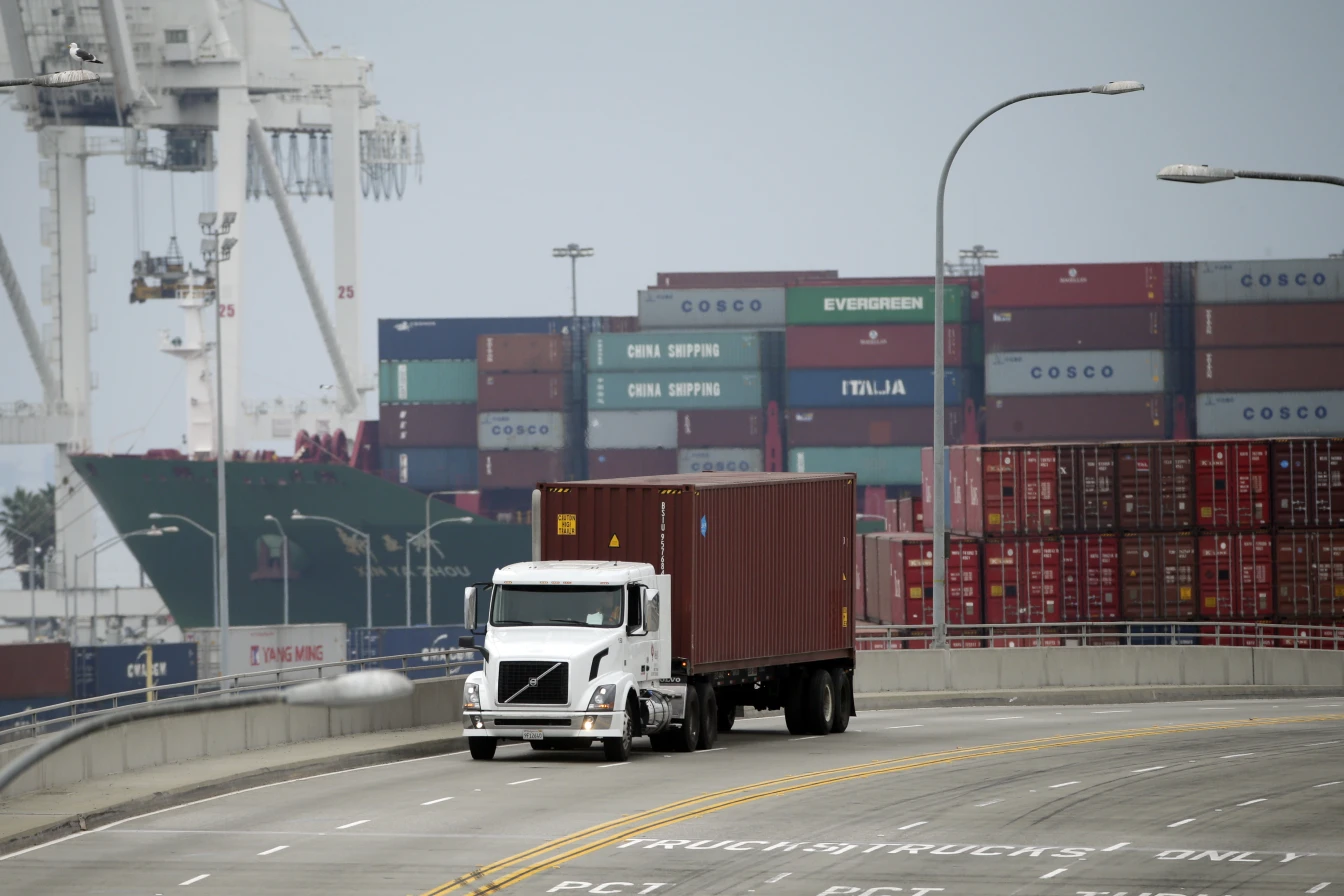
Outbound container delivery visual.
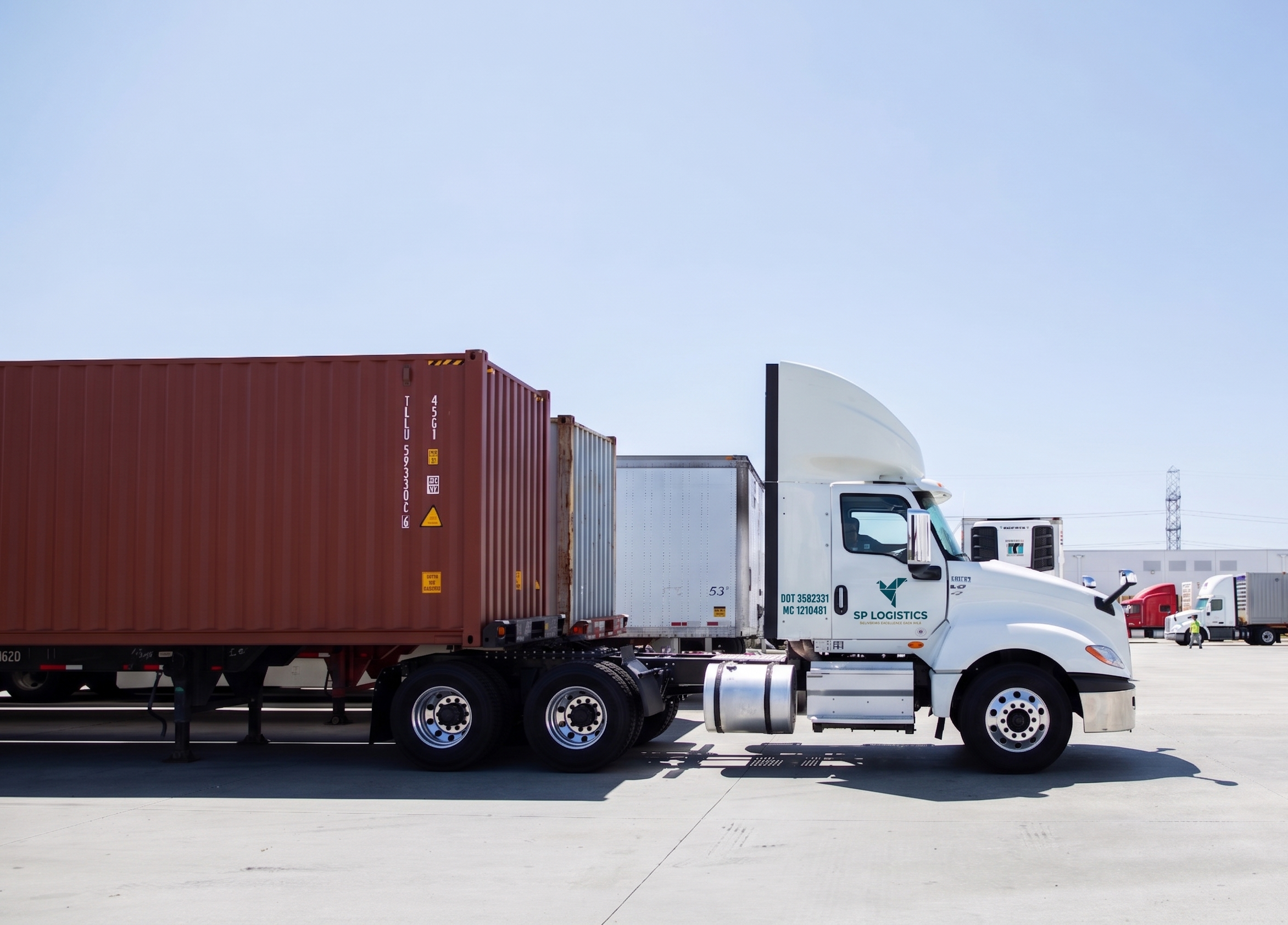
Lane-focused branded fleet image.
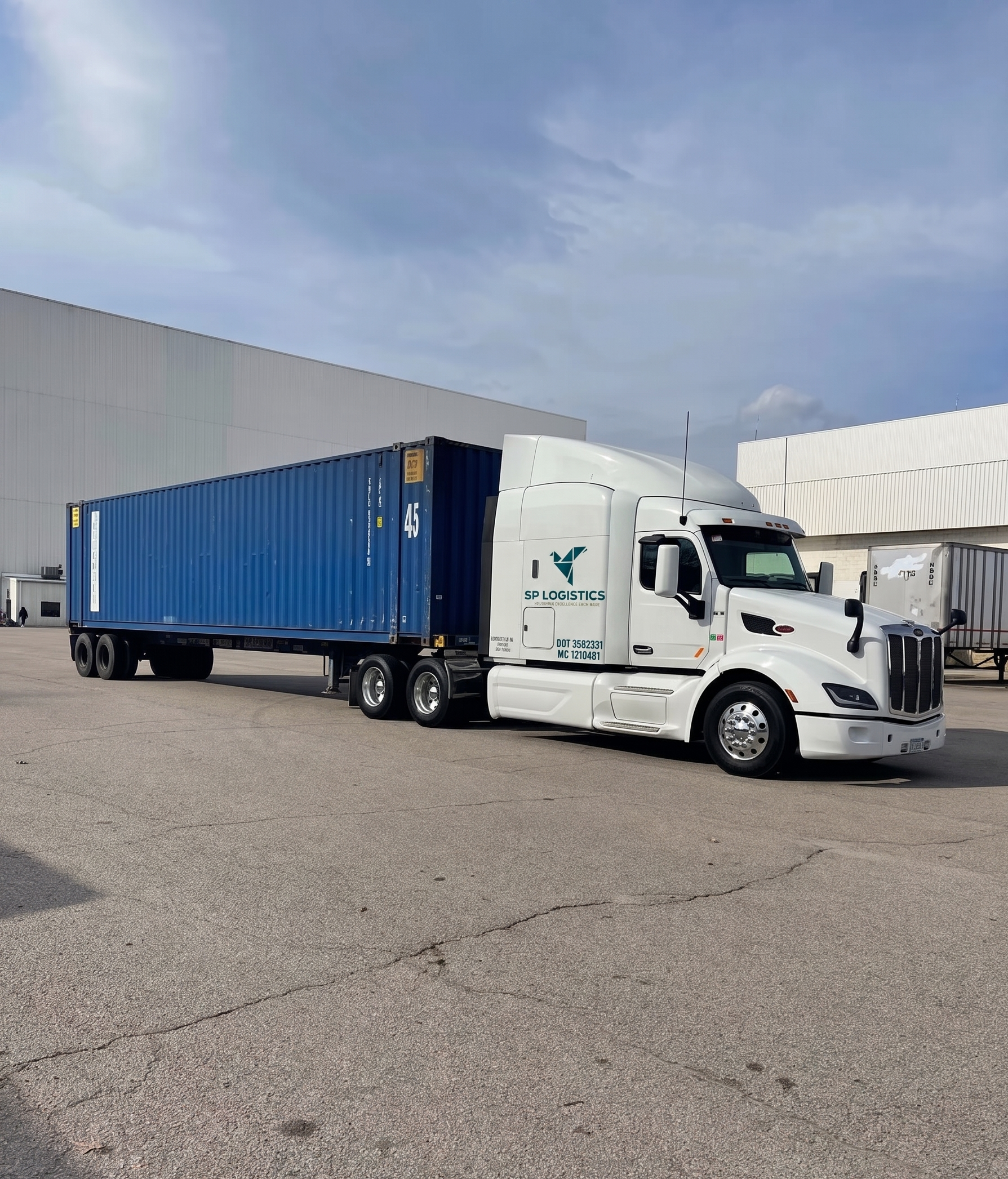
Facility + tractor branding visual.
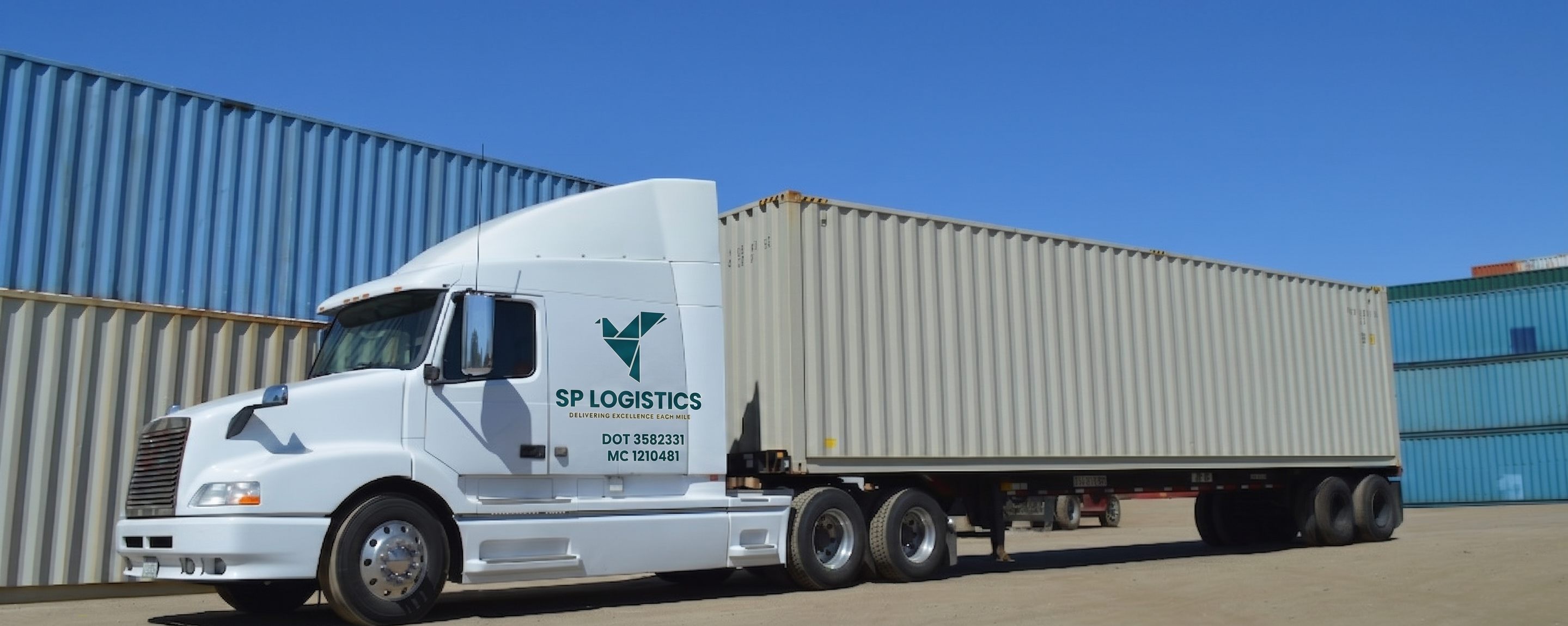
Container yard fleet coverage image.
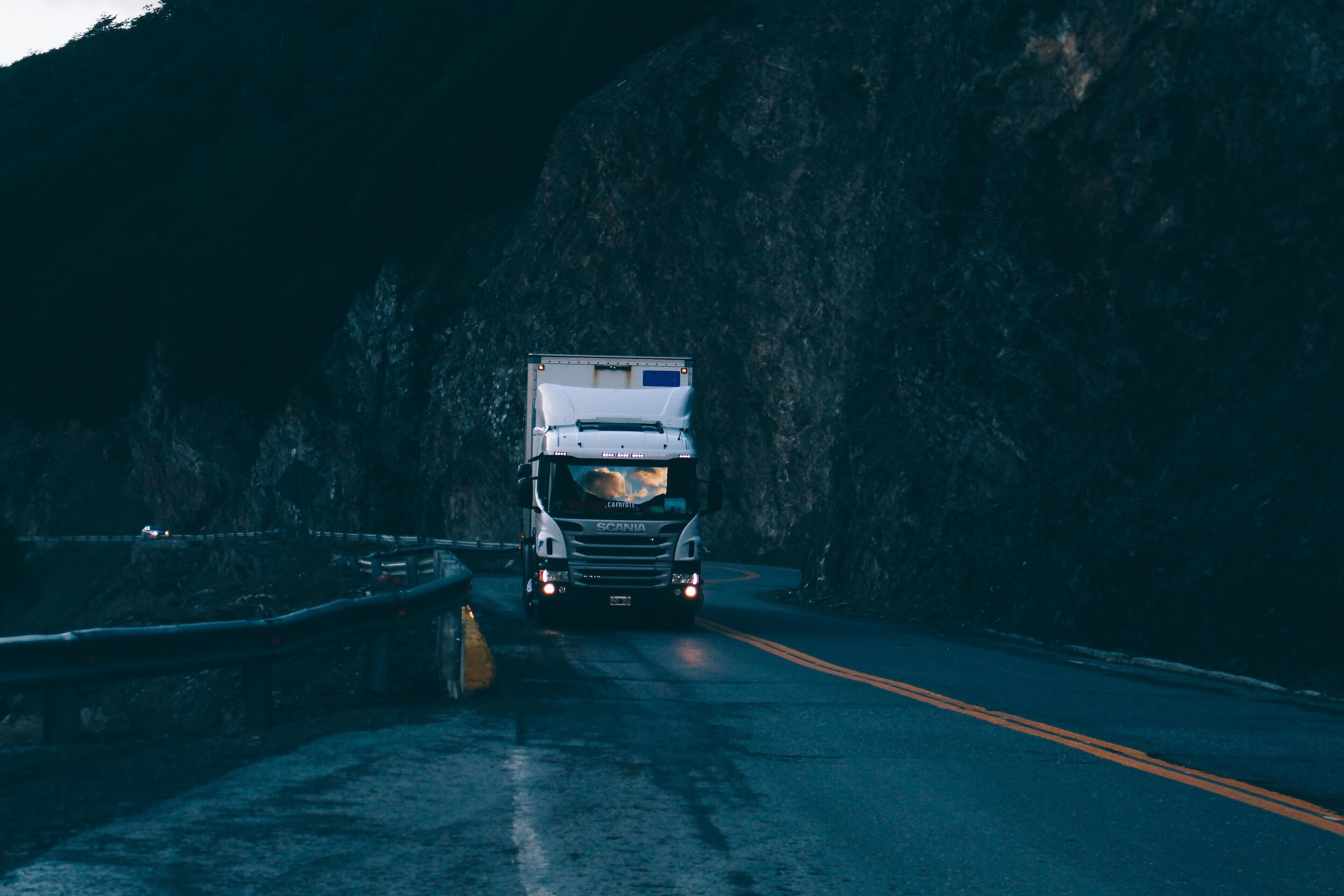
Branded truck profile for operations pages.
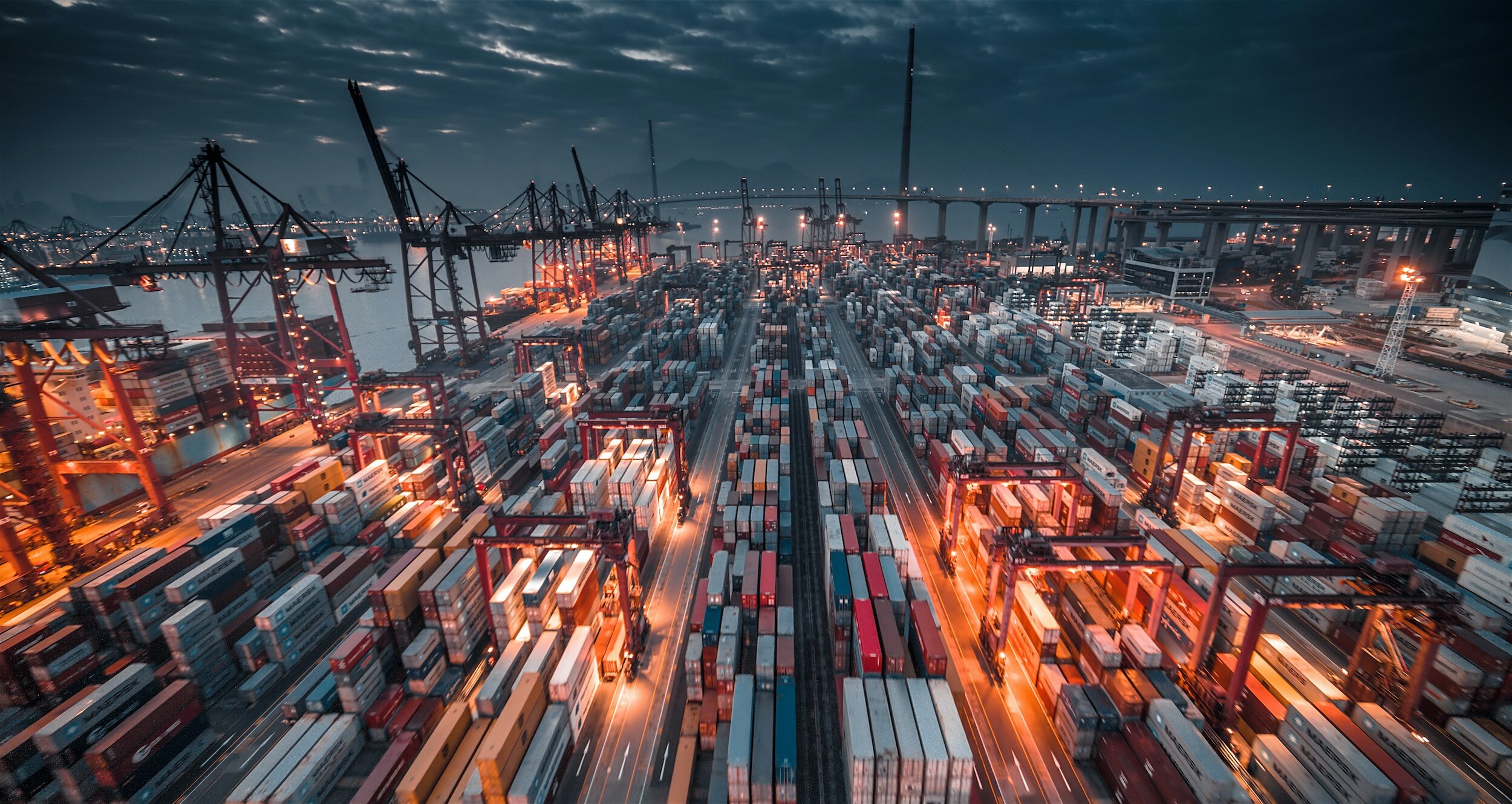
Yard-ready tractor and container shot.
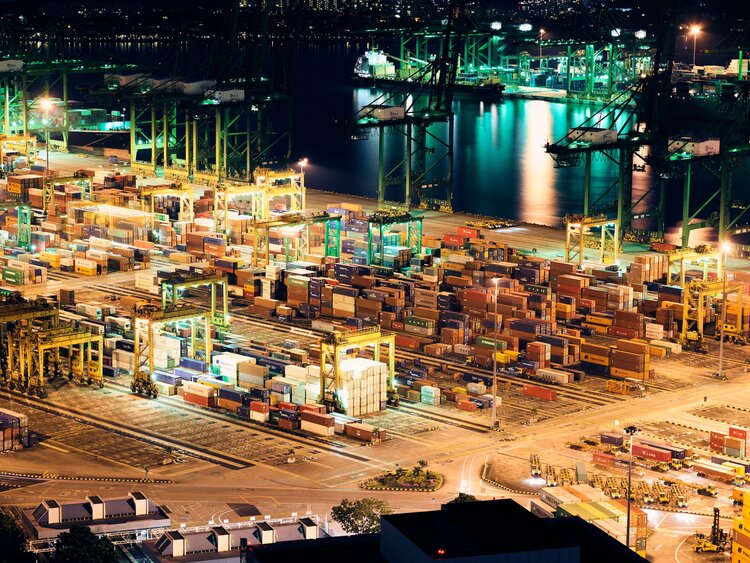
Port-road container movement context.
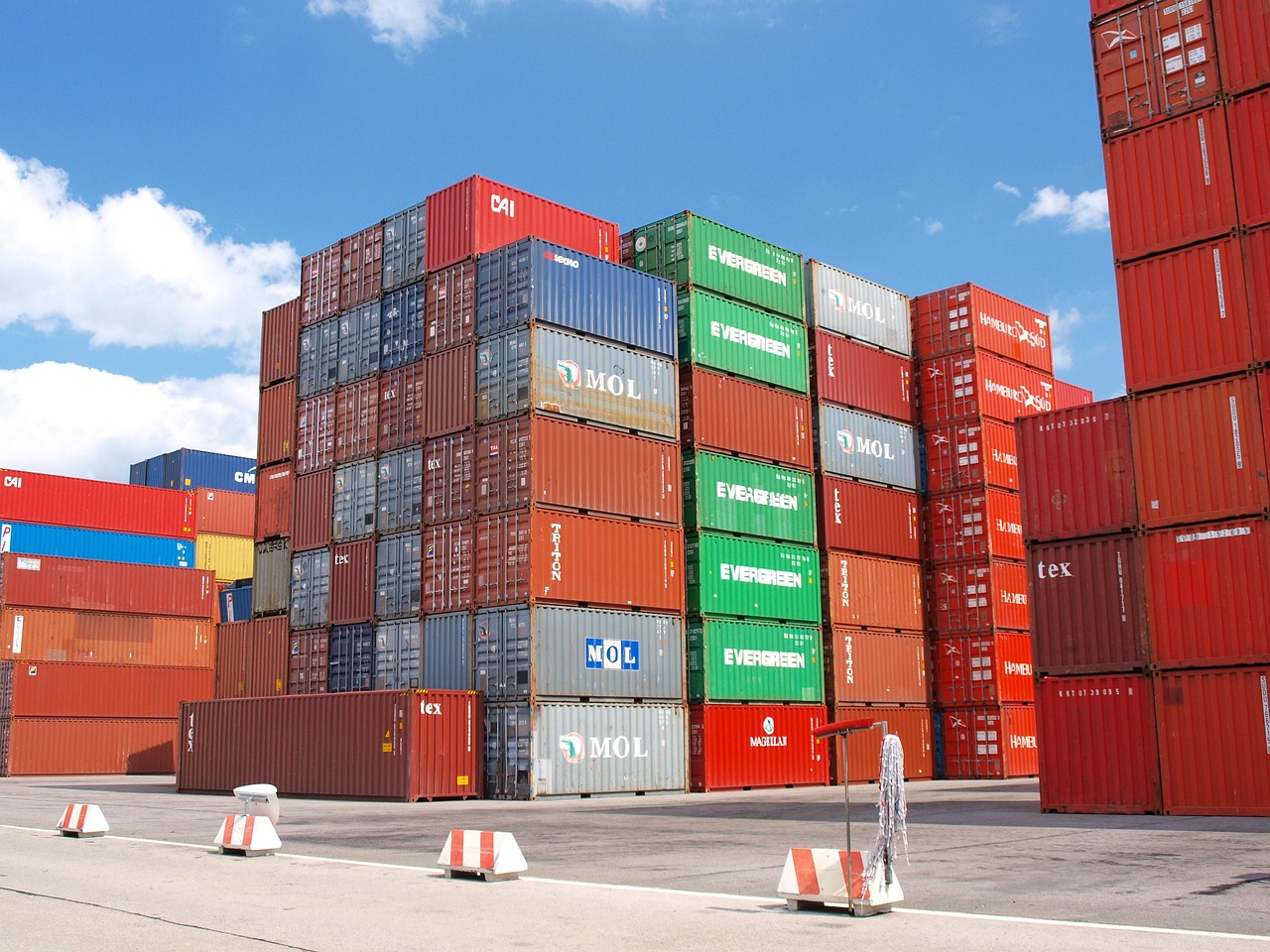
Intermodal and 53-foot support visual.
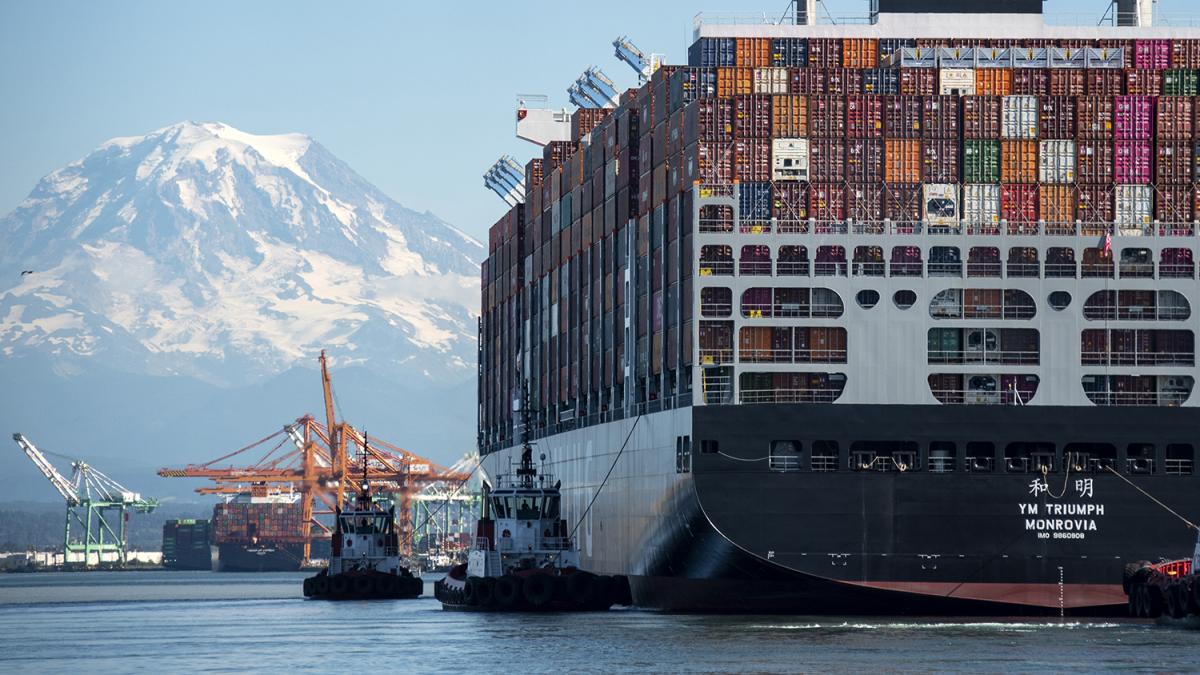
Seattle-focused drayage identity image.
Tacoma port vessel and terminal operations view.
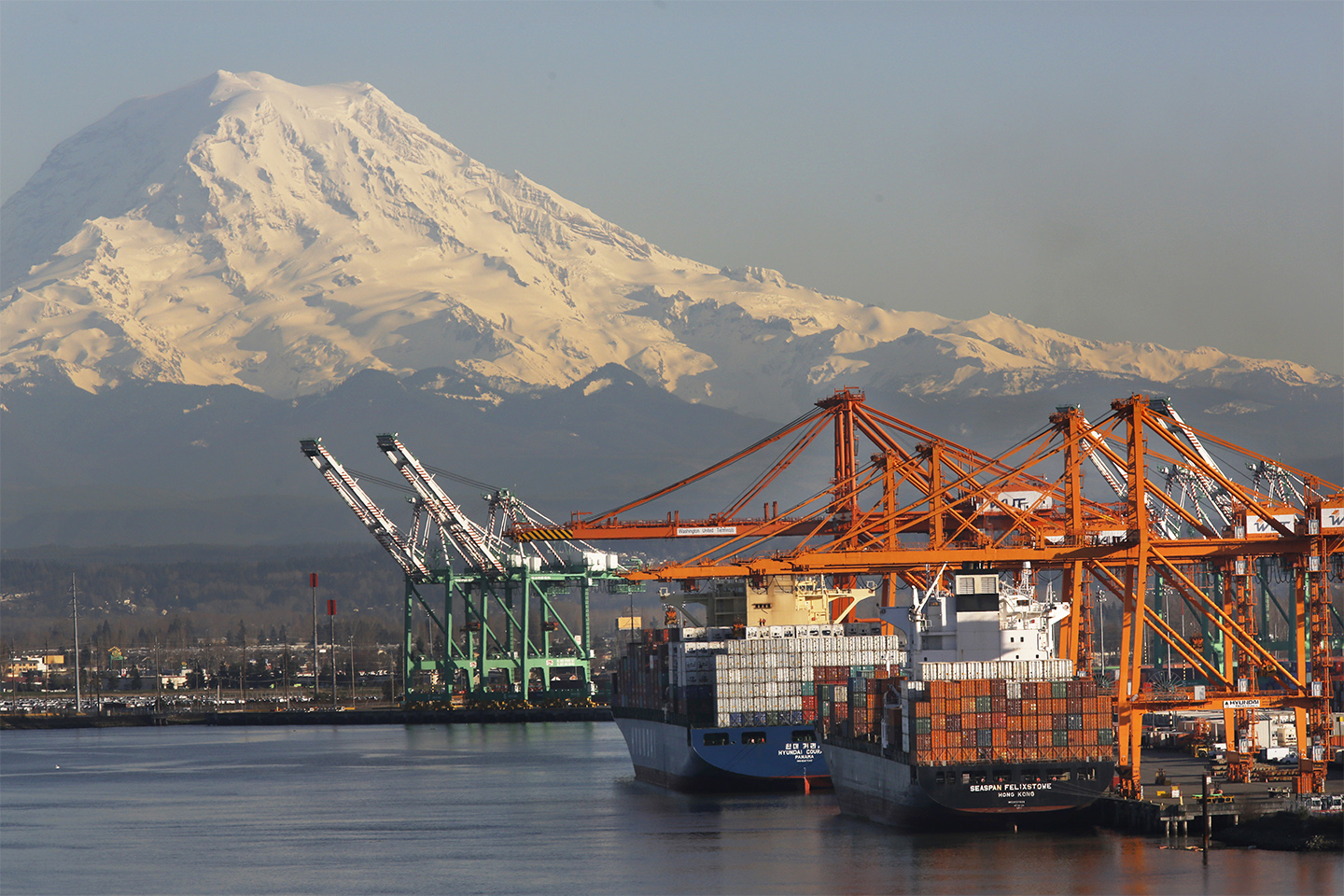
WUT terminal-side perspective.
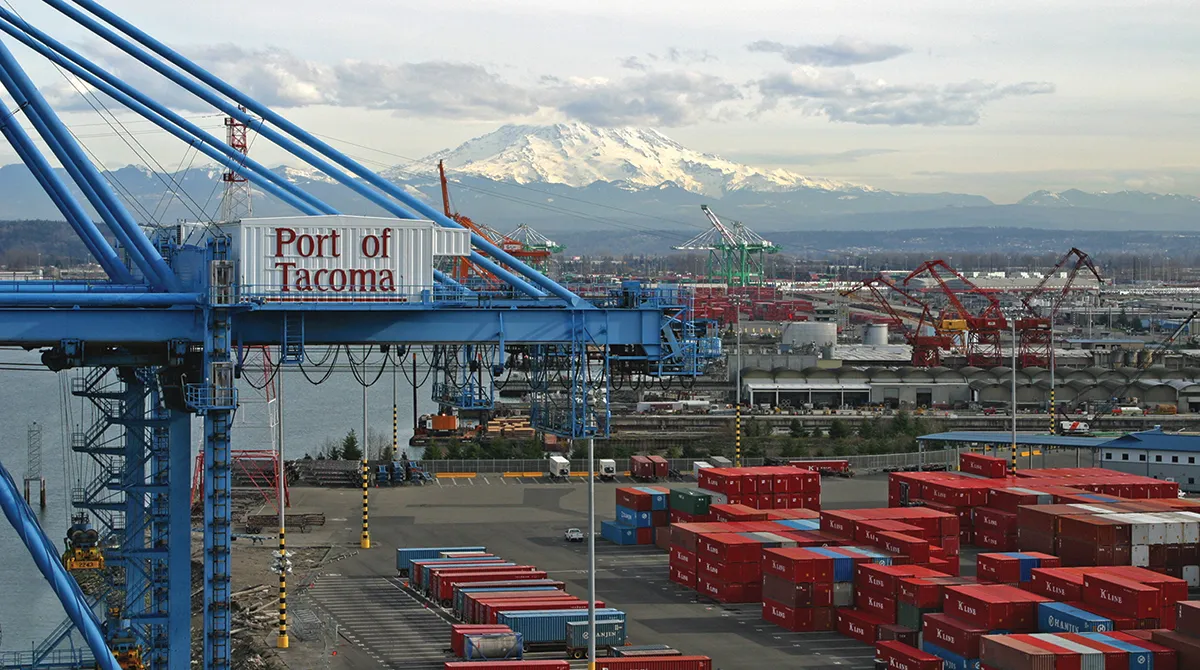
Port of Tacoma waterfront context.
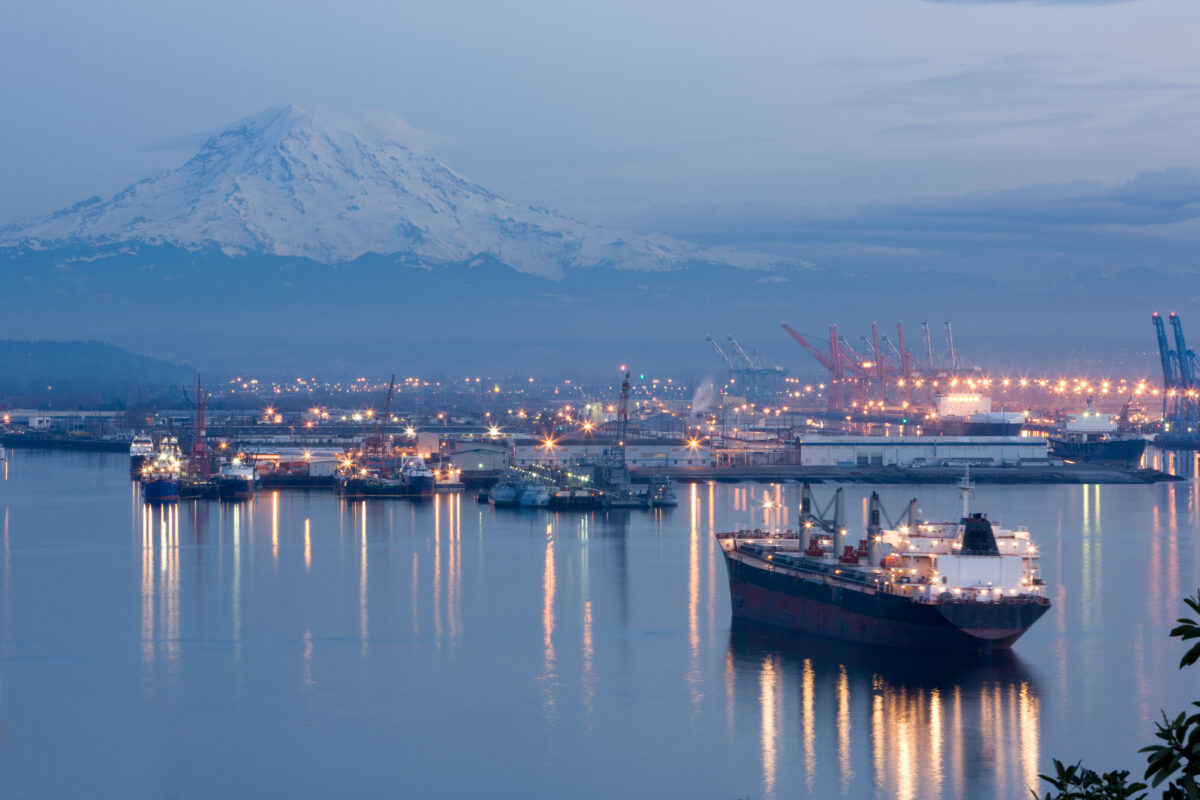
Wide Tacoma terminal and vessel operations shot.
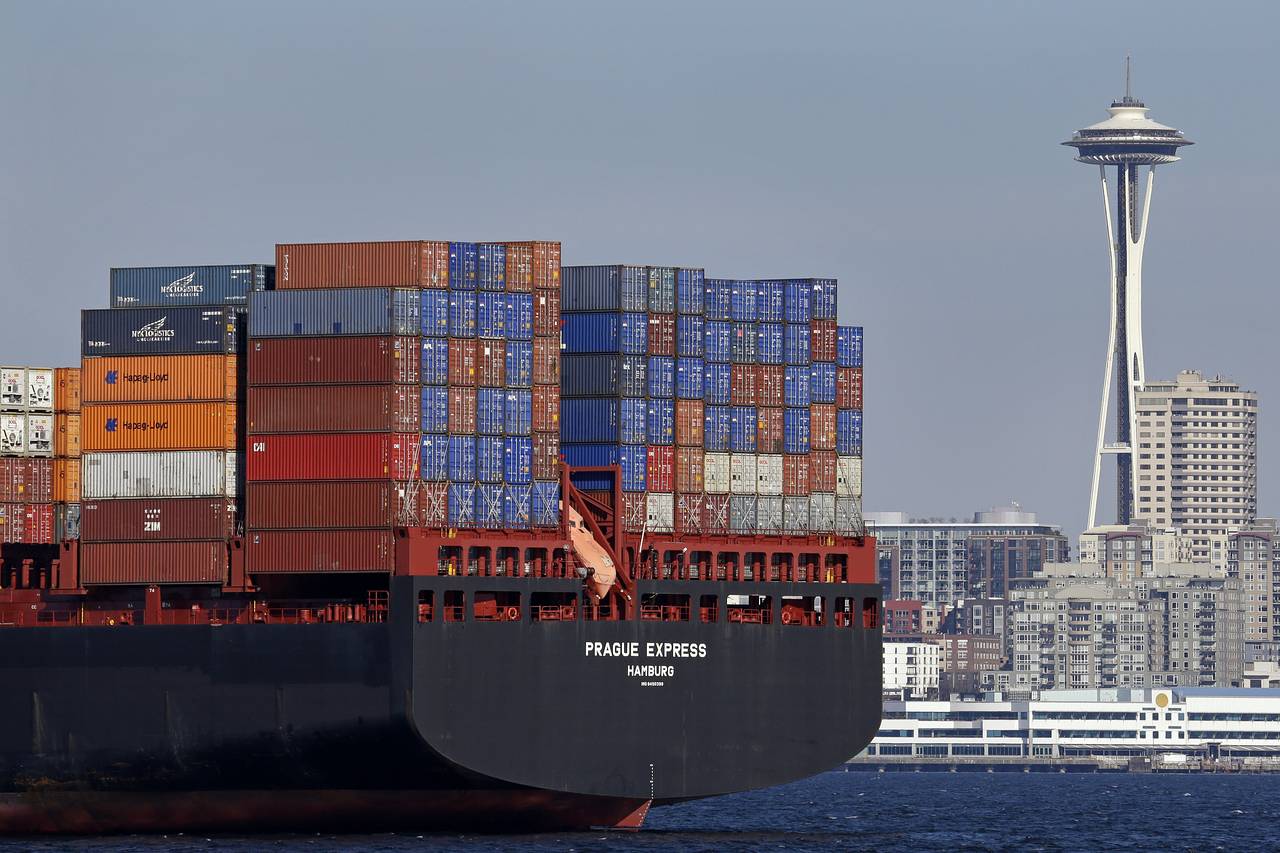
Seattle skyline with loaded vessel view.
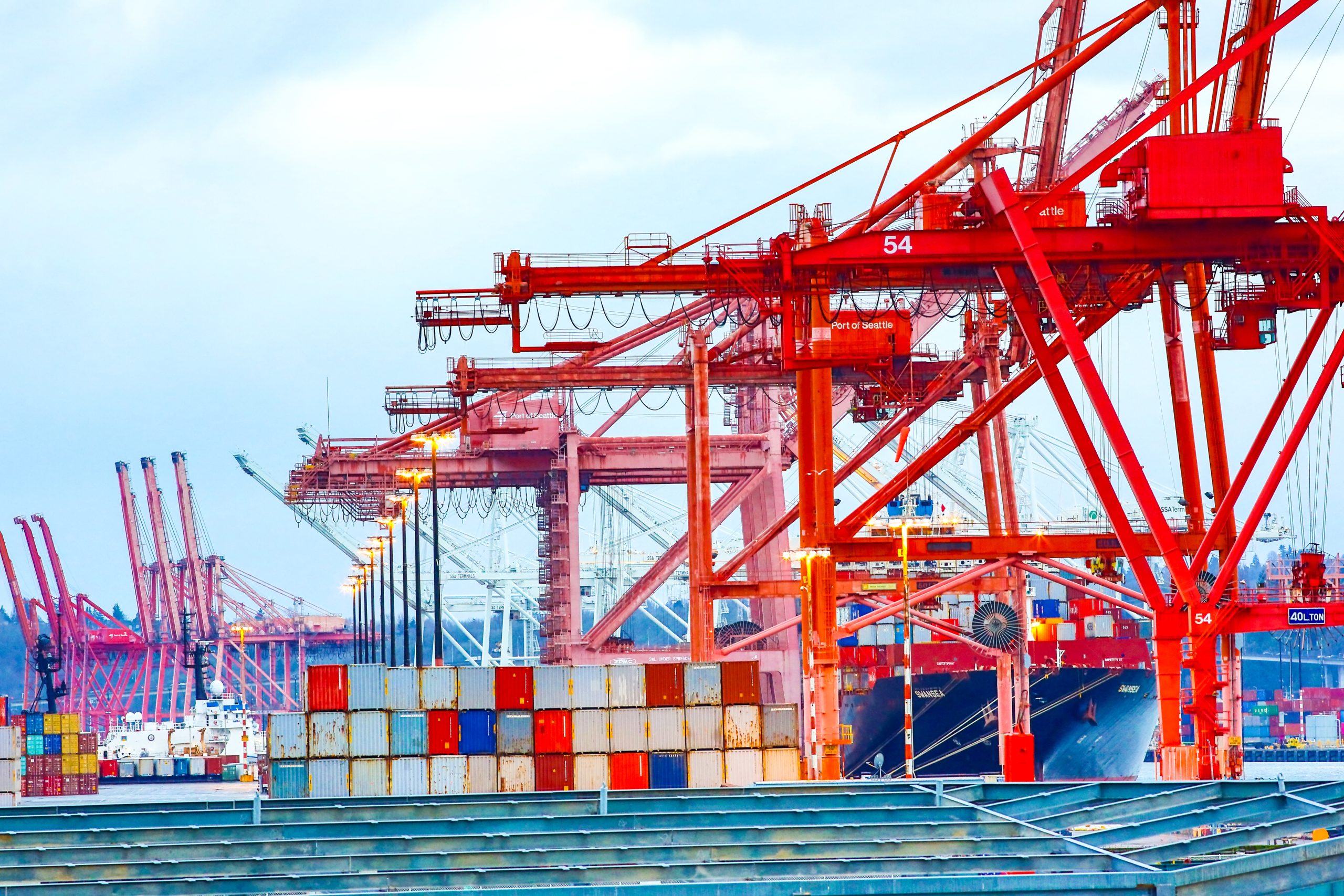
Port of Seattle crane and container operations view.
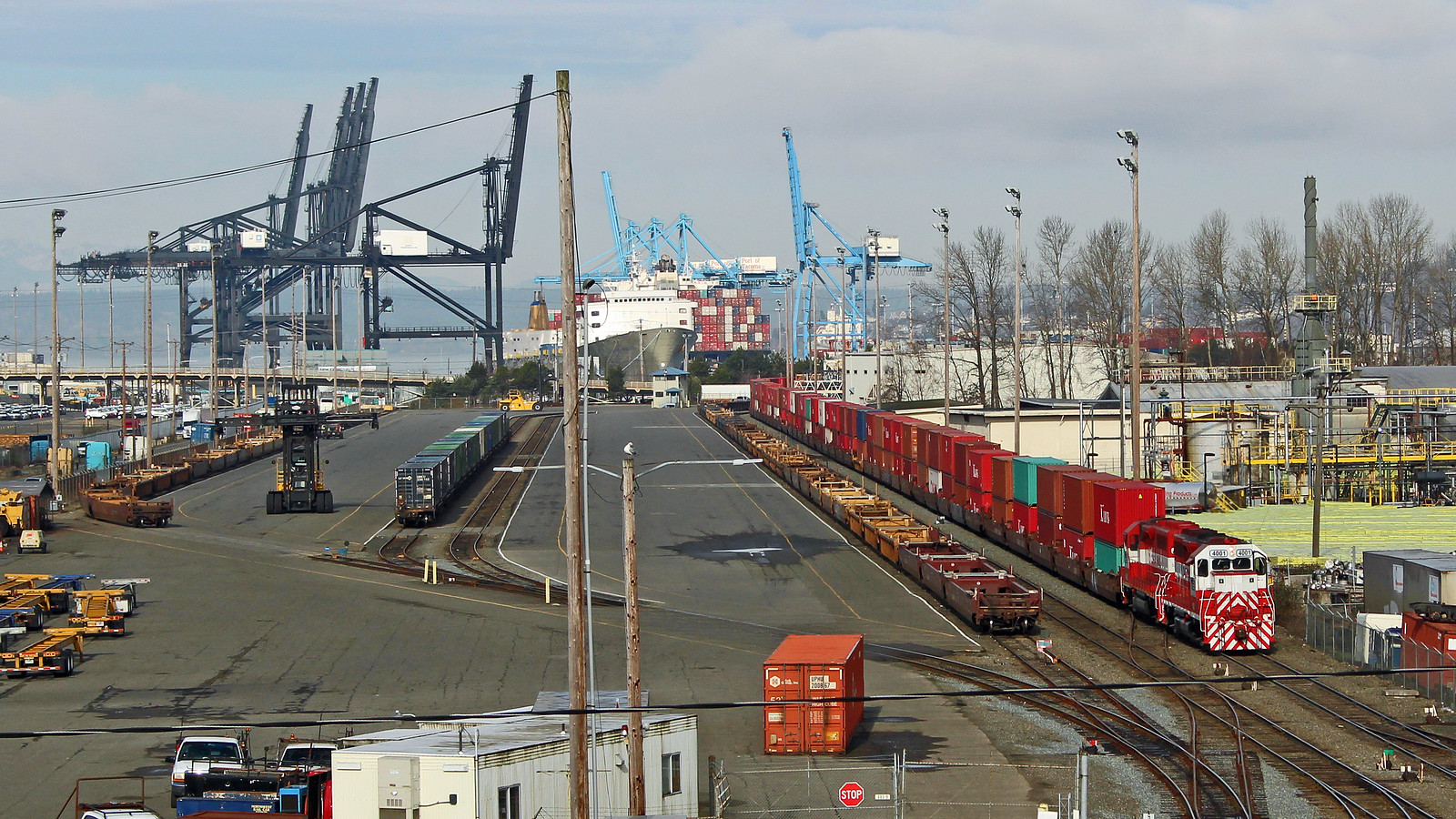
Rail connectivity and yard planning context.
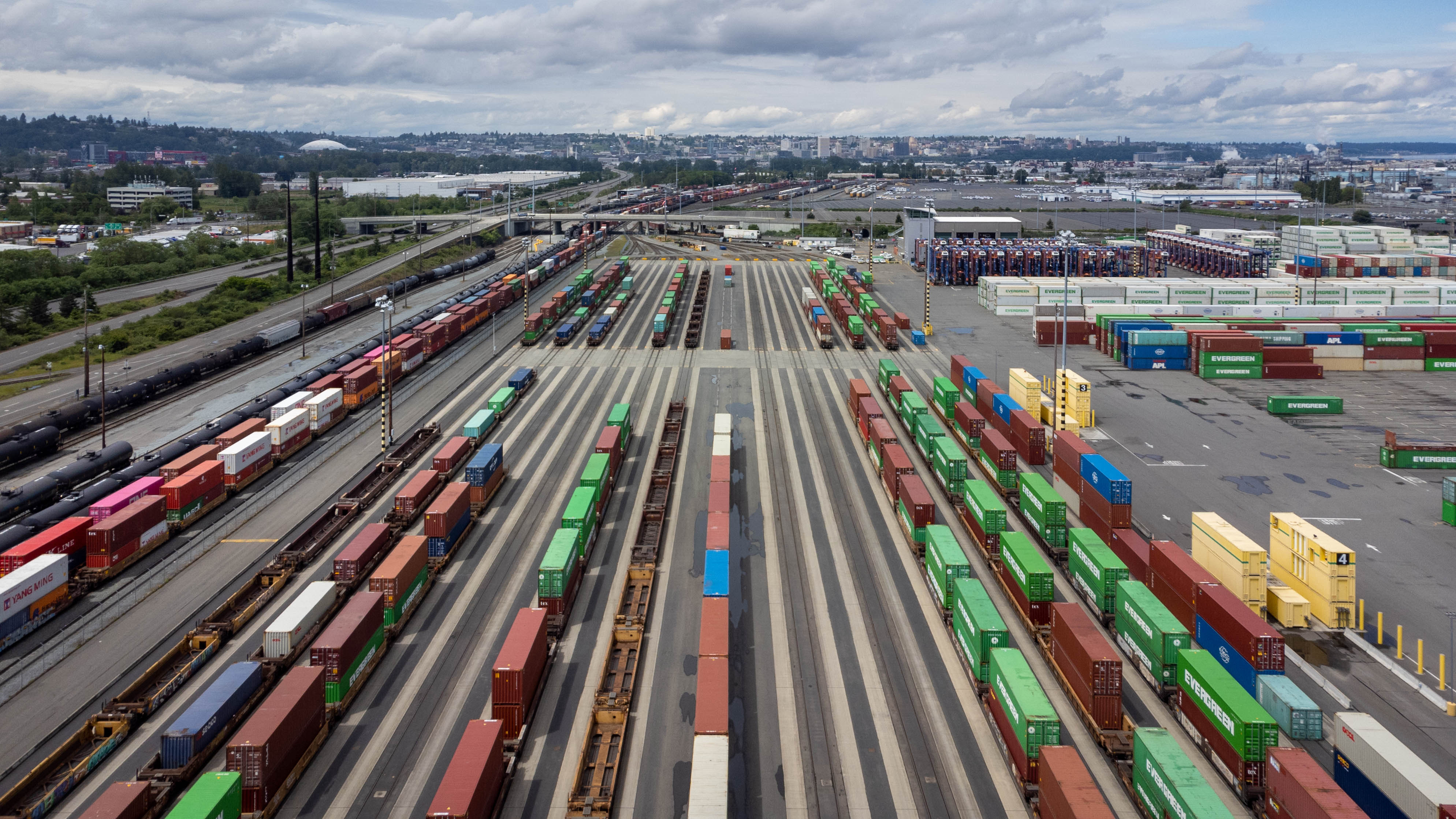
Tacoma rail drayage visual for BNSF/UP planning pages.
These articles answer buyer questions before a quote request, then point visitors toward the right SP Logistics service or quote path.
Guide for container drayage quote checklist covering terminal or rail ramp, container size, weight, LFD/cutoff, receiver hours, chassis, storage, and delivery mode.
Read guideGuide for Port of Seattle drayage covering Seattle terminal, T5/T18, container availability, LFD, chassis, receiver appointment, and empty return details.
Read guideGuide for Port of Tacoma drayage covering Tacoma terminal, Husky/WUT/PCT/Matson, delivery appointment, yard storage, chassis, and empty return details.
Read guideGuide for BNSF SIG drayage covering rail release, ramp availability, container number, delivery location, receiver hours, chassis, and storage timing.
Read guideGuide for UP Tacoma drayage covering UP Tacoma release timing, receiver appointment, chassis needs, delivery mode, storage by capacity, and final closeout.
Read guideGuide for pre pull container meaning covering LFD pressure, receiver appointment gaps, yard capacity, chassis needs, and final delivery timing.
Read guideGuide for LFD container shipping meaning covering last free day, terminal availability, appointment access, chassis constraints, receiver timing, and pre-pull options.
Read guideGuide for demurrage detention drayage covering free time, terminal storage exposure, equipment time, receiver delays, empty return timing, and communication.
Read guideGuide for live unload vs drop container covering receiver hours, live unload time, drop rules, appointment windows, detention exposure, and empty return.
Read guideGuide for container yard storage Tacoma covering Tacoma yard storage, pre-pulls, loaded/empty staging, receiver timing, storage duration, and final delivery.
Read guideGuide for warehouse storage for port freight covering Sumner-area palletized warehouse storage, loading, unloading, freight type, labor, timing, and confirmed scope.
Read guideGuide for reefer drayage Seattle Tacoma covering temperature instructions, genset needs, monitoring window, fuel handling, receiver timing, and yard options.
Read guideGuide for genset drayage covering genset source, reefer settings, monitoring period, fuel expectations, delivery timing, and storage requirements.
Read guideGuide for overweight container drayage covering gross weight, container size, tri-axle needs, route feasibility, receiver access, and timing.
Read guideGuide for tri axle container drayage covering container weight, chassis availability, lane fit, receiver instructions, and appointment windows.
Read guideGuide for open top container drayage covering cargo dimensions, route feasibility, terminal rules, appointment timing, receiver access, and photos.
Read guideGuide for flat rack container drayage covering cargo profile, securement notes, gross weight, route restrictions, appointment timing, and delivery access.
Read guideGuide for Seattle to Portland drayage covering Seattle pickup, Portland receiver, distance, driver hours, weight, chassis, appointment timing, and empty return.
Read guideGuide for Tacoma to Portland drayage covering Tacoma terminal pickup, Portland receiver hours, lane distance, delivery mode, chassis, and final return.
Read guideGuide for Seattle to Spokane drayage covering Seattle terminal or rail pickup, Spokane receiver timing, distance, driver hours, weight, and equipment.
Read guideGuide for Tacoma to Spokane drayage covering Tacoma pickup, Spokane delivery, gross weight, receiver appointment, chassis, driver hours, and lane fit.
Read guideGuide for port trucking for freight brokers covering broker reference, terminal, container details, rate timing, customer instructions, receiver rules, and service mode.
Read guideGuide for freight forwarder drayage Seattle covering forwarder requirements, terminal/ramp, SSL or booking, receiver notes, import/export sequence, and POD expectations.
Read guideGuide for importer container delivery Seattle covering container availability, LFD, receiver appointment, live unload/drop, chassis, empty return, and closeout.
Read guideGuide for export container drayage Tacoma covering empty pickup, shipper loading, cutoff, booking, loaded return, chassis, and export terminal appointment.
Read guideGuide for container moving across states covering customer-managed container moves that require carrier coordination, origin, destination, equipment, port/rail coordination, and lane fit.
Read guideGuide for Seattle Tacoma chassis coordination drayage covering private/pool chassis, prepaid forms, container size, weight, provider, split needs, and timing.
Read guideGuide for Seattle Tacoma empty return drayage covering empty return rules, receiver unload time, chassis return, terminal acceptance, appointment timing, and closeout.
Read guideGuide for Seattle Tacoma drayage for warehouses covering dock hours, appointment number, access rules, live unload/drop mode, unload duration, and contact details.
Read guideGuide for drayage accessorials Seattle Tacoma covering chassis, detention, pre-pull, yard storage, chassis split, stop fee, scale ticket, reefer/genset, and special equipment.
Read guideUse these pages to match the shipment to the right facility workflow before sending a quote request.
Use this guide to match the shipment to the right terminal or ramp workflow before sending a quote request.
View terminal guideUse this page when the shipment involves T5 pickup, rail-yard timing, receiver delivery, chassis planning, or a pre-pull decision.
View terminal guideUse this page when the shipment involves T18 pickup, delivery, LFD pressure, chassis coordination, receiver timing, or empty return planning.
View terminal guideUse this page when the Tacoma shipment involves Husky pickup, export return, receiver timing, yard staging, reefer handling, or empty return planning.
View terminal guideUse this page when the shipment involves WUT pickup, receiver timing, reefer needs, chassis planning, yard storage, or final delivery.
View terminal guideUse this page when the Tacoma shipment involves PCT pickup, intermodal timing, reefer details, receiver delivery, or yard staging.
View terminal guideUse this page when the shipment involves Matson / West Sitcum pickup, delivery, yard timing, reefer needs, or chassis planning.
View terminal guideUse these pages to plan port, rail, South Sound and regional delivery lanes before requesting a quote.
Hub page for regional, rail and South Sound lane planning before requesting a quote.
View lane guidePortland receiver delivery from Seattle-area port or rail freight.
View lane guidePortland receiver delivery from Tacoma-area port or rail freight.
View lane guidePasco receiver delivery from Seattle-area port or rail freight.
View lane guidePasco receiver delivery from Tacoma-area port or rail freight.
View lane guideSpokane receiver delivery from Seattle-area port or rail freight.
View lane guideSpokane receiver delivery from Tacoma-area port or rail freight.
View lane guideBellingham receiver delivery from Seattle-area port or rail freight.
View lane guideBellingham receiver delivery from Tacoma-area port or rail freight.
View lane guideLynden receiver delivery from Seattle-area port or rail freight.
View lane guideLynden receiver delivery from Tacoma-area port or rail freight.
View lane guideSumner delivery from UP Tacoma rail freight.
View lane guideFife delivery from UP Tacoma rail freight.
View lane guideTacoma delivery from UP Seattle rail freight.
View lane guideEverett delivery from UP Seattle rail freight.
View lane guideKent delivery from BNSF rail freight.
View lane guideSumner delivery from BNSF rail freight.
View lane guideLacey delivery from Tacoma port or rail freight.
View lane guideOlympia delivery from Tacoma port or rail freight.
View lane guideSpanaway delivery from Tacoma port or rail freight.
View lane guidePuyallup delivery from Tacoma port or rail freight.
View lane guideUse these pages to understand common charge categories before sending a Seattle/Tacoma container trucking quote request.
This guide explains common accessorial categories in container drayage. Pricing is private and quote-specific. Each charge category depends on the lane, timing, equipment, receiver process, terminal/ramp requirements and what actually occurs.
Read guideA chassis split can come up when the container and the needed chassis are not in the same place. Buyers should share chassis source, prepaid forms, provider requirements and pickup timing before dispatch.
Read guideChassis charges and chassis responsibility depend on equipment source, timing, provider rules and how long the chassis is tied to the move. Complete chassis details help dispatch avoid confusion.
Read guideDetention is connected to time. Receiver delays, live unload duration, terminal waiting, appointment changes and return timing can all affect a container move.
Read guideDemurrage risk is usually tied to how long a container remains at a terminal or ramp beyond allowed free time. A carrier can plan around the details provided, but terminal and appointment conditions may still affect the move.
Read guideA pre-pull can help when a container is available before the receiver can accept delivery. The decision depends on LFD, yard capacity, chassis, cargo type, storage duration and final delivery timing.
Read guideYard storage can help bridge the gap between pickup and final delivery. Storage depends on capacity, loaded or empty status, cargo type, chassis needs, duration and final delivery timing.
Read guideA dry run can happen when the truck is dispatched but the pickup, delivery or return cannot be completed. Clear shipment details reduce avoidable failed attempts.
Read guideScale tickets may be requested when weight needs to be verified for customer, receiver, route or equipment reasons. Weight details should be shared early, especially on heavy or overweight containers.
Read guideExtra stops can change the time and route for a container move. Buyers should share stop details before dispatch so the carrier can evaluate the lane correctly.
Read guideReefer and genset moves require more detail than standard dry containers. Temperature, power, monitoring, fuel and receiver timing should be arranged before dispatch.
Read guideOverweight and tri-axle planning depends on gross weight, container size, lane, chassis availability, receiver access and route feasibility. Share weight early.
Read guideResidential or non-standard delivery locations need extra review because streets, access, equipment fit, unloading method and timing may differ from commercial receivers.
Read guide